Skip to content
Chaser Geological

GEONAVIGATE / ORIGINAL SERIES

The stories
beneath the well.

First discoveries. Hard lessons. The tools that changed drilling.

Follow the wells, the geology and the decisions behind Canadian oil history—then get closer to the cutting edge in our drill-bit series.

9 recorded episodes 0 scripts ready 7 in research

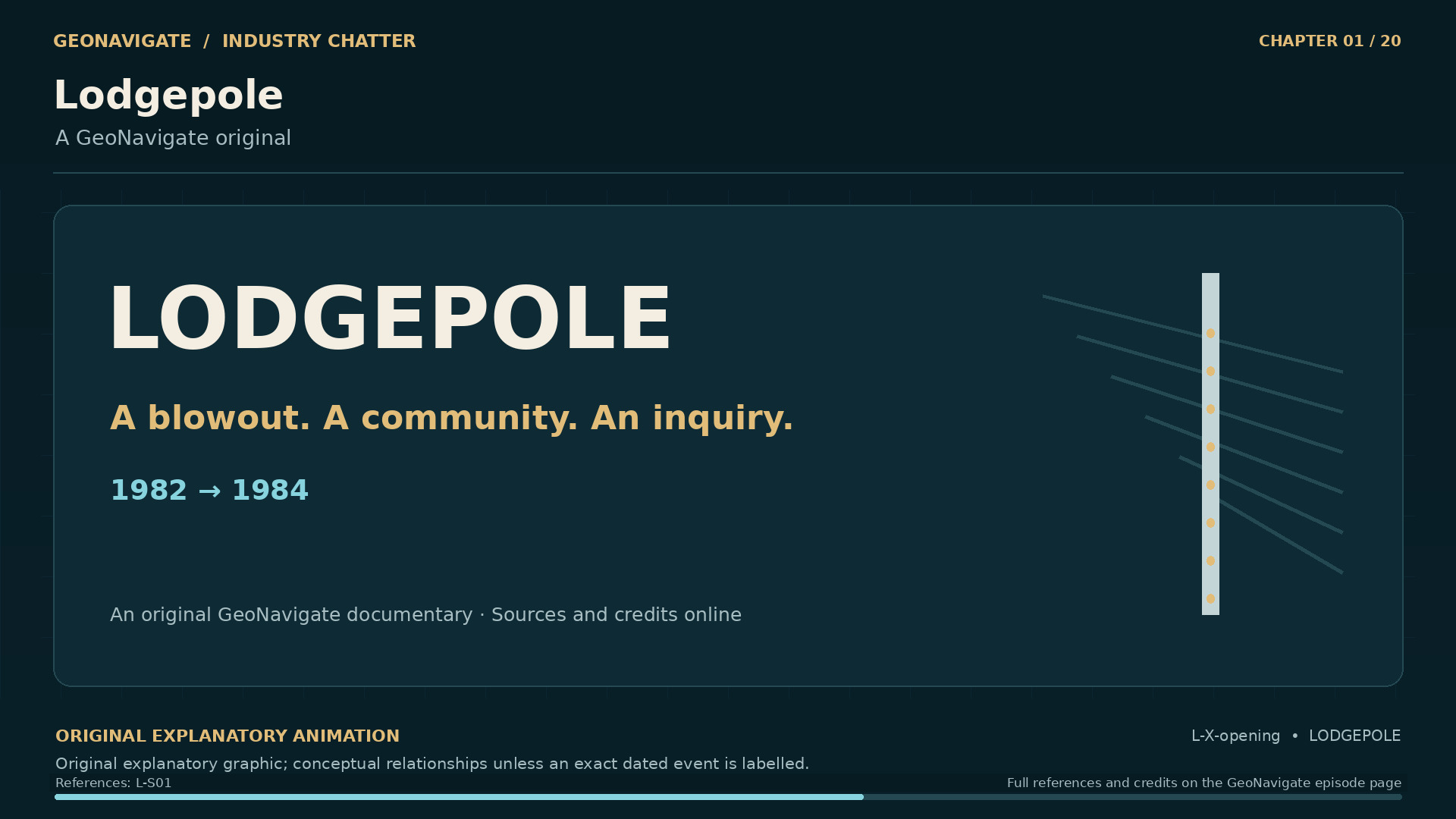
Lodgepole. A GeoNavigate original. Original conceptual illustration; cited sources provide the factual basis.
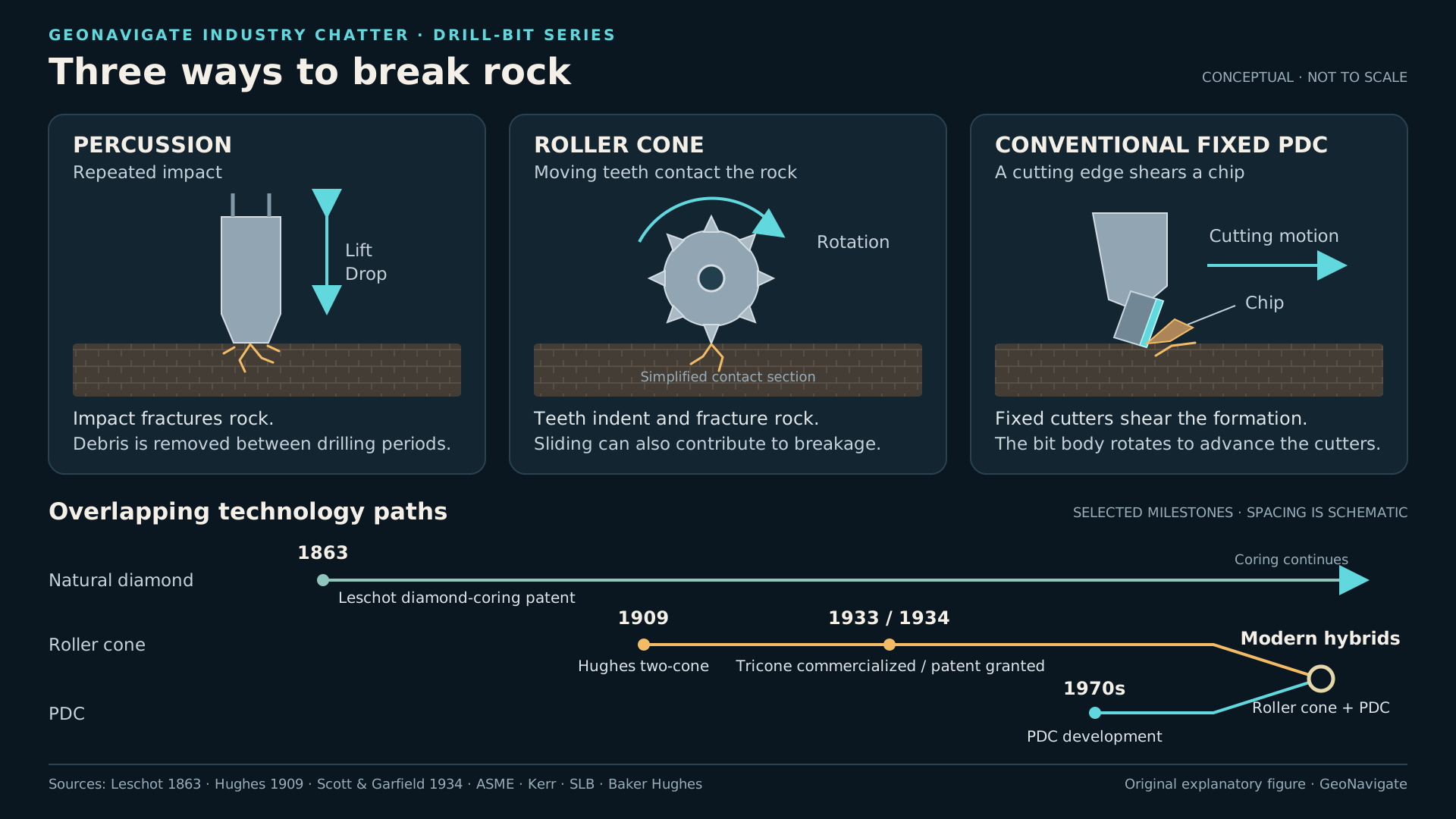
Original diagramA GeoNavigate original. Original conceptual illustration; cited sources provide the factual basis.Original GeoNavigate explanatory graphic, Chaser Geological, 2026. · Image record ↗ · Rights basis ↗

START HERE

Original episodes

Listen to completed recordings.
Read the scripts taking shape.

Drilling history

Lodgepole: A Blowout, a Community, an Inquiry

The 1982 Lodgepole blowout became a test of well control, emergency communication and public trust. Follow the Nisku target, the warning signs, two fires, the deadly capping attempt, the eventual surface-control operation and the inquiry that followed. This 33-minute documentary combines Dorian’s AI narration, eight credited inquiry photographs examined as evidence, four dated contextual photographs, three clearly identified contemporary AER footage sources and original explanatory animation. The complete transcript includes chapter references, report page locators, photo credits and source links. Historical facts, conceptual diagrams and later footage are identified separately.

Recorded33:05 · measured recording
Listen & read the episode Watch full episode →
Drilling history

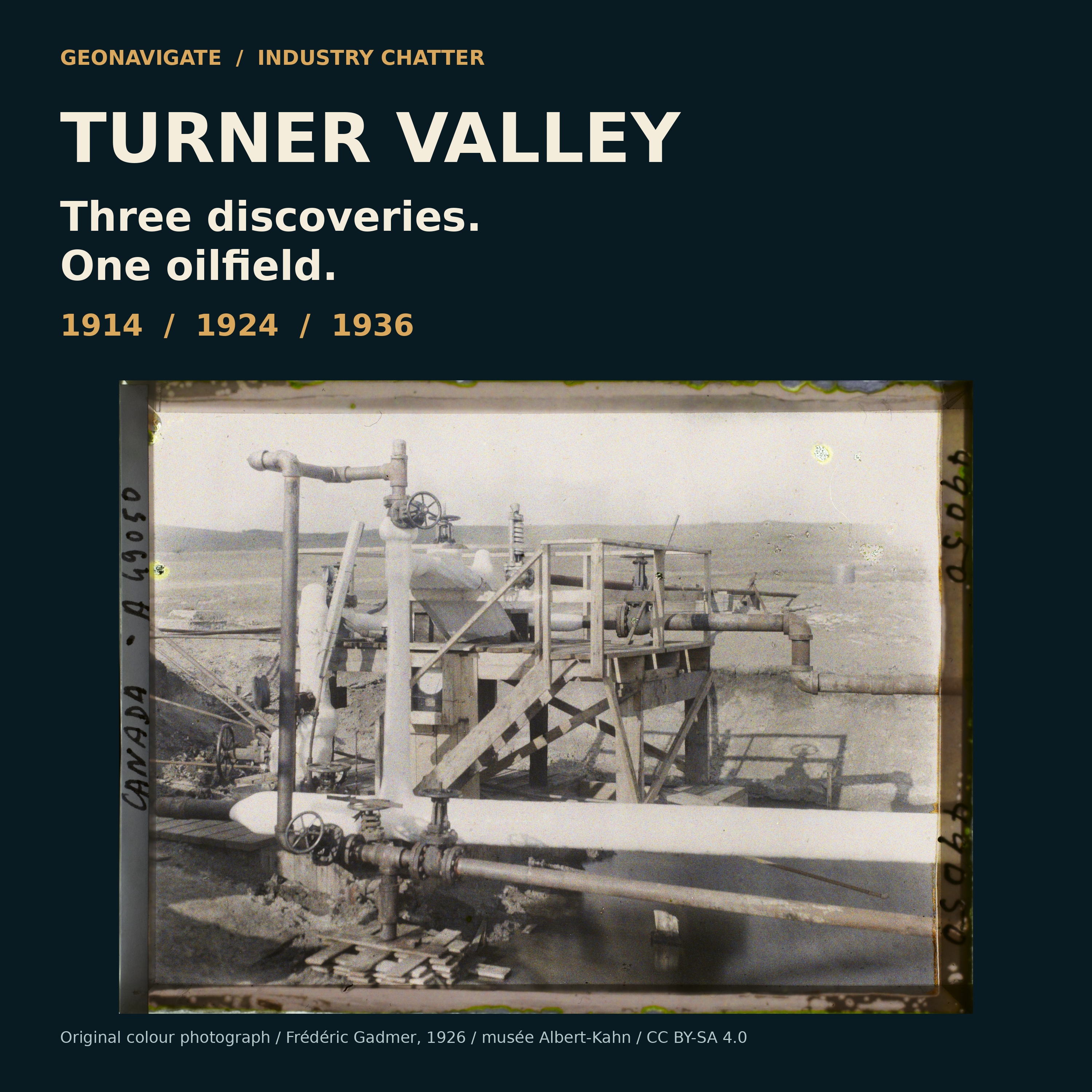
Turner Valley: Three Discoveries, One Oilfield

Three discoveries changed Turner Valley's future: Dingman No. 1 in 1914, Royalite No. 4 in 1924, and Turner Valley Royalties No. 1 in 1936. Follow the gas and light liquids, deeper carbonate reservoir, major crude-oil development, company decisions and changing geological interpretations behind those dates. The full episode pairs Dorian's AI narration with 32 historical photographs, including original 1926 colour autochromes, and 12 explanatory diagrams. Photograph dates, identities, credits and rights notes accompany the illustrated transcript. This edition uses archival still photographs and original diagrams; historical film catalogue links are provided separately.

Recorded20:14 · measured recording
Listen & read the episode Watch full episode →
Drilling history

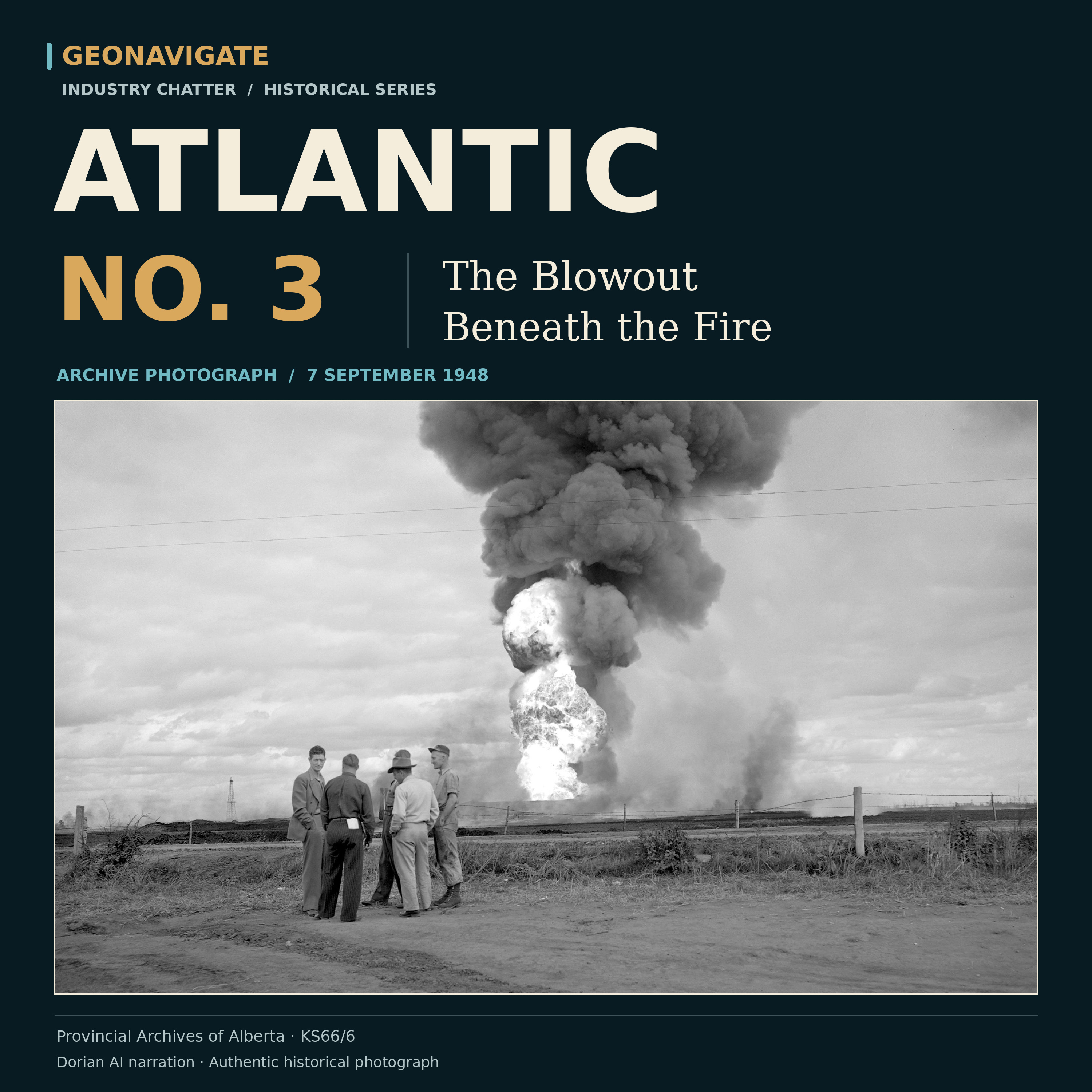
Atlantic No. 3: The Blowout Beneath the Fire

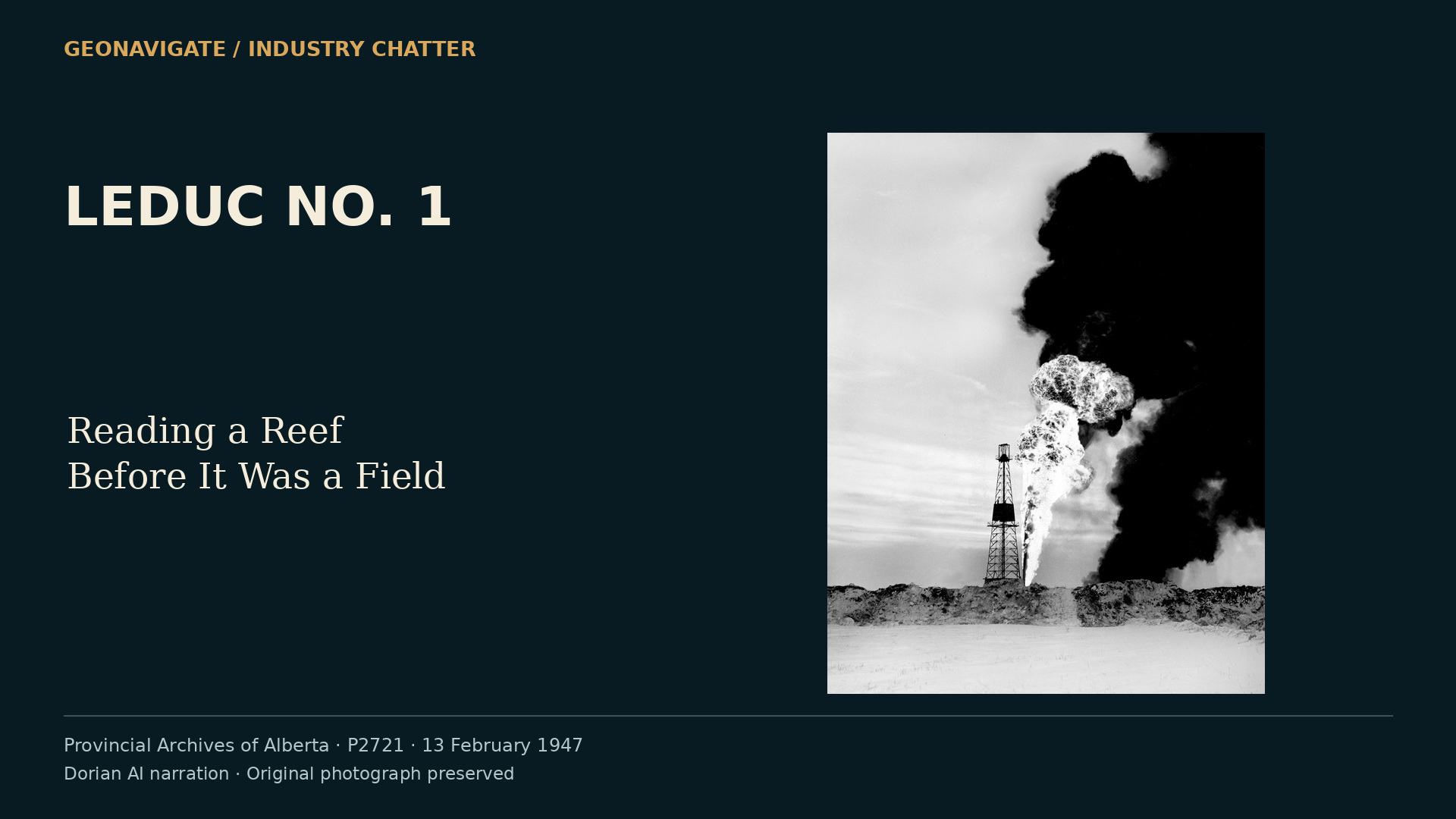
In March 1948, Atlantic No. 3 escaped control in the developing Leduc oilfield. For roughly six months, crews faced disappearing drilling fluid, oil emerging through the ground, and an emergency that forced other wells to shut down. Follow the workers, two relief wells and a waterline from the North Saskatchewan River through the 59-hour September fire and the longer task of securing the well. Authentic photographs, original diagrams and animations, and one clearly labelled AI recreation accompany the podcast. Narrated by AI voice Dorian.

Recorded18:10 · measured recording
Listen & read the episode Watch full episode →
Drilling history

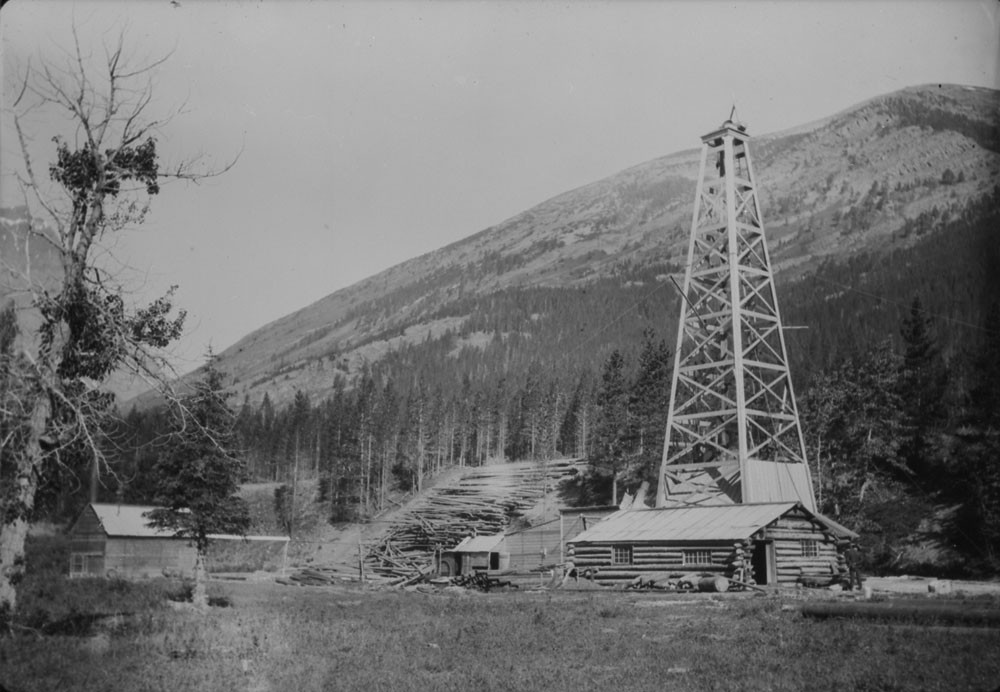
Fernie’s Forgotten Oil Frontier: The Derrick, the Seep and the Lost Tools

A documented journey from the Fernie derrick to the Akamina and Sage Creek oil frontier: conflicting well dates, lost tools, a geologist’s skepticism, and a 1915 account of oil shows, water entry and casing failure. Original government reports distinguish what was observed, what was claimed and what remained untested.

Recorded15:52 · measured recording
Listen & read the episode Watch full episode →Trailers & short films →

THE NEXT CHAPTERS

In research

These are planned stories.
Future recordings will appear after editorial release.

Drilling history

In research

Saskatchewan’s First Oil: A Border and Several Dates

The Lloydminster story crosses a provincial border and several definitions of success. Follow early shows, commercial discovery and production—and discover why heavy oil needed markets and infrastructure as much as a productive well.

Research focus & remaining evidence

Identify the earliest individual wells from original records. Keep the Saskatchewan Geological Survey’s 1944 commercial-discovery milestone distinct from the contemporary 1945 production milestone. Historical production tables need their original definitions and reporting periods.

In research

Beyond Lloydminster: Coleville and Fosterton

Saskatchewan’s early-1950s discoveries opened different petroleum plays. Follow the geologists and drillers learning that a province’s oil story could not be explained by a single reservoir or a single type of crude.

Research focus & remaining evidence

Resolve the December 1951 and January 1952 Fosterton milestones using the well record. Collect original logs, formation descriptions and early pool maps before drawing a detailed trap. Build a sourced follow-on for Wapella rather than inferring its chronology from modern maps.

In research

Midale and Weyburn: How a Discovery Becomes a Pool

A well finds oil; appraisal has to explain where it continues. Explore the early Midale and Weyburn discoveries through correlation, reservoir quality, unconformities and the geological work behind a field map.

Research focus & remaining evidence

Use the WCSB Atlas discovery years—Midale 1953 and Weyburn 1954—as starting points. Retrieve original discovery-well records, historical pool boundaries and geological sections before creating spatially exact maps or reservoir animations.

In research

Daly: Manitoba Joins the Story

The Daly discovery and the fields that followed brought commercial development to southwest Manitoba. Follow the northeastern edge of the Williston Basin and the geological connections across Saskatchewan, Manitoba and the international border.

Research focus & remaining evidence

Separate the discovery, test and production dates using the California Standard Daly well file. Collect early logs and field maps. Keep Manitoba’s Lodgepole Formation distinct from the Alberta community and its 1982 blowout.

In research

Before the Western Boom: Oil Springs and Canada’s Early Drillers

Return to the hand-dug well, the flowing oil and the machinery that shaped Canada’s early industry. Williams, the Shaw gusher and travelling drillers connect the nineteenth century to the later western search.

Research focus & remaining evidence

Check contemporary newspapers behind the Oil Museum of Canada’s correction identifying John Shaw and 16 January 1862. Attribute folklore explicitly. Confirm image permissions and avoid presenting a photograph of another well being shot as Shaw’s actual gusher.

Drill-bit evolution

In research

Built to Cut: Matrix, Steel and Cutter Geometry

Look closely at the modern PDC bit: body material, blades, cutter shape, back rake, side rake and the path a cutter takes through rock. Explore why apparently small geometric differences change the cutting interaction.

Research focus & remaining evidence

Build accurately labelled original diagrams from manufacturer technical papers and experimental research. Separate matrix-body properties from diamond-cutter properties; define angle conventions; qualify performance claims by rock, depth of cut, hydraulics and test conditions.

In research

The Hybrid Question: Matching the Bit to the Rock

Roller cones and fixed cutters can share one cutting structure. Explore the engineering logic of hybrid bits and the trade-offs that appear when a drilling system crosses hard stringers, abrasive rock and changing formations.

Research focus & remaining evidence

Source documented hybrid-bit designs and comparable field or laboratory results. Explain crushing and shearing without promising universal performance gains. Connect bit response to BHA dynamics, vibration, formation changes and operational context; identify promotional claims as such.