Trailer · 0:31
Before Alberta — Official Trailer
1080p · English captions in video
A short introduction with labelled AI recreations and original explanatory graphics. AI narration: Dorian.

Drilling history / GEONAVIGATE INDUSTRY CHATTER
From the Tripp brothers' 1854 enterprise and Williams's hand-dug Oil Springs well to Fairbank, Imperial, White Rose, Shell and Suncor: how Canada's oil industry began, why spectacular discoveries did not guarantee wealth, and the different ways its companies endured.
Prepared
A FIRST LOOK
Start with a short film, then explore the full episode below.
Trailer · 0:31
1080p · English captions in video
A short introduction with labelled AI recreations and original explanatory graphics. AI narration: Dorian.
THE ILLUSTRATED EPISODE
18:26 · 1080p · English captions
Historical photographs, original diagrams, dated archive-film excerpts and labeled AI recreations. AI narration: Dorian.
CHAPTER 01
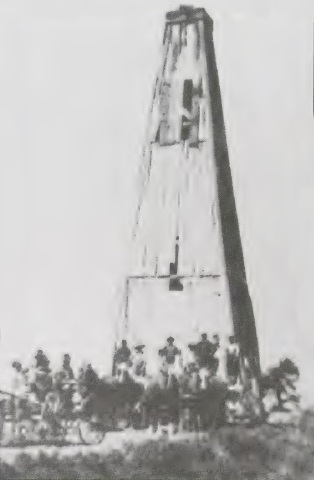
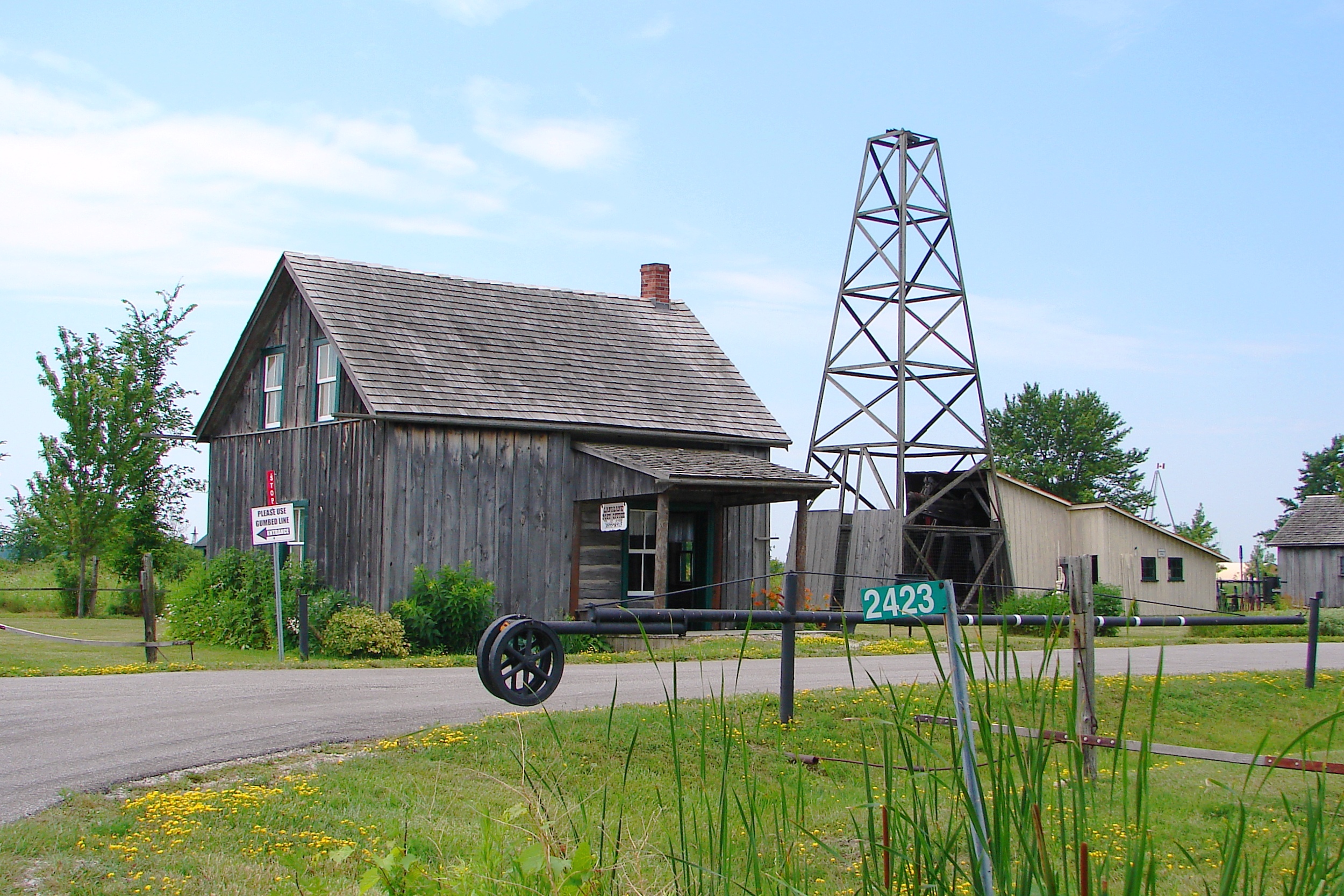
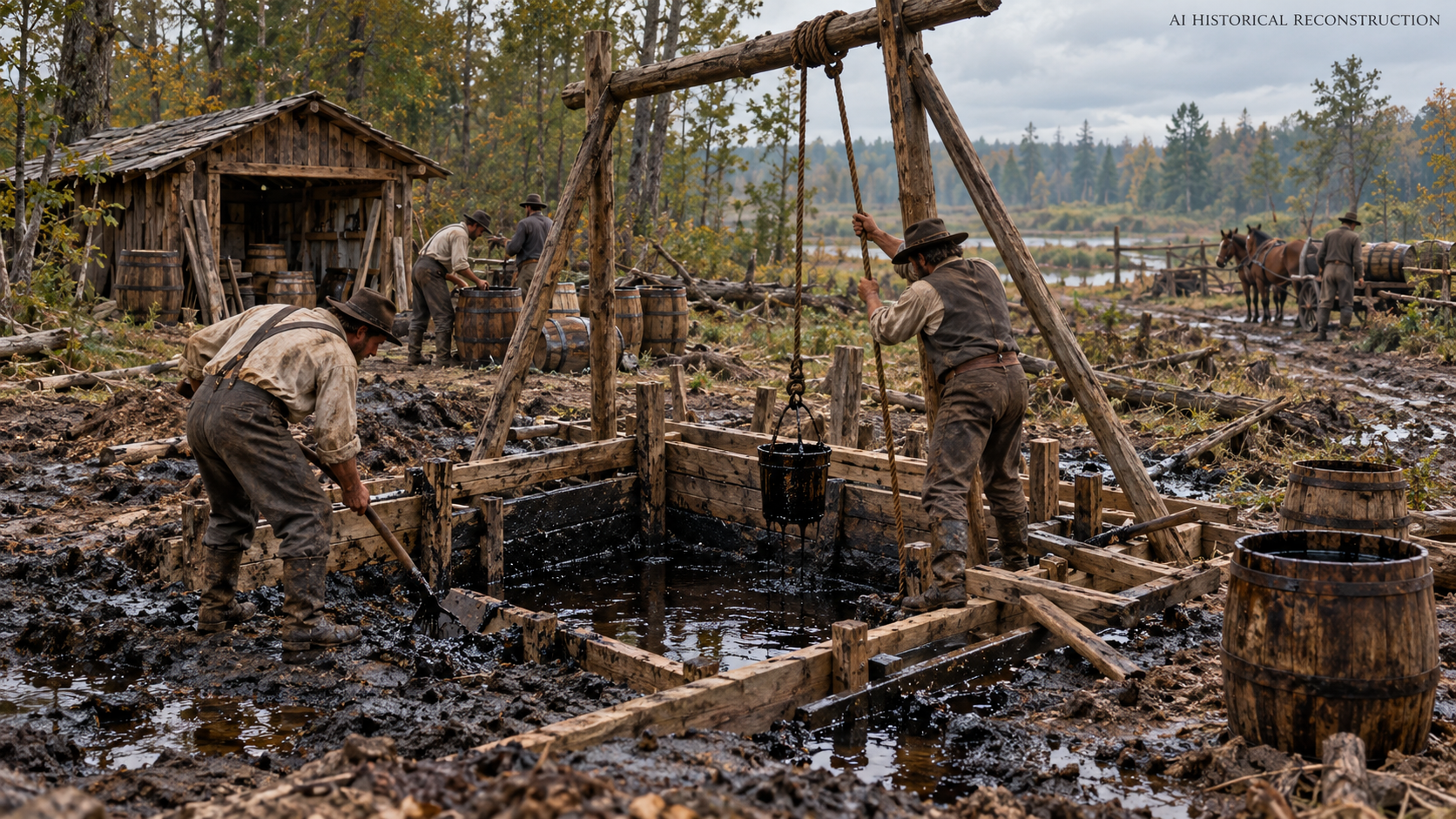
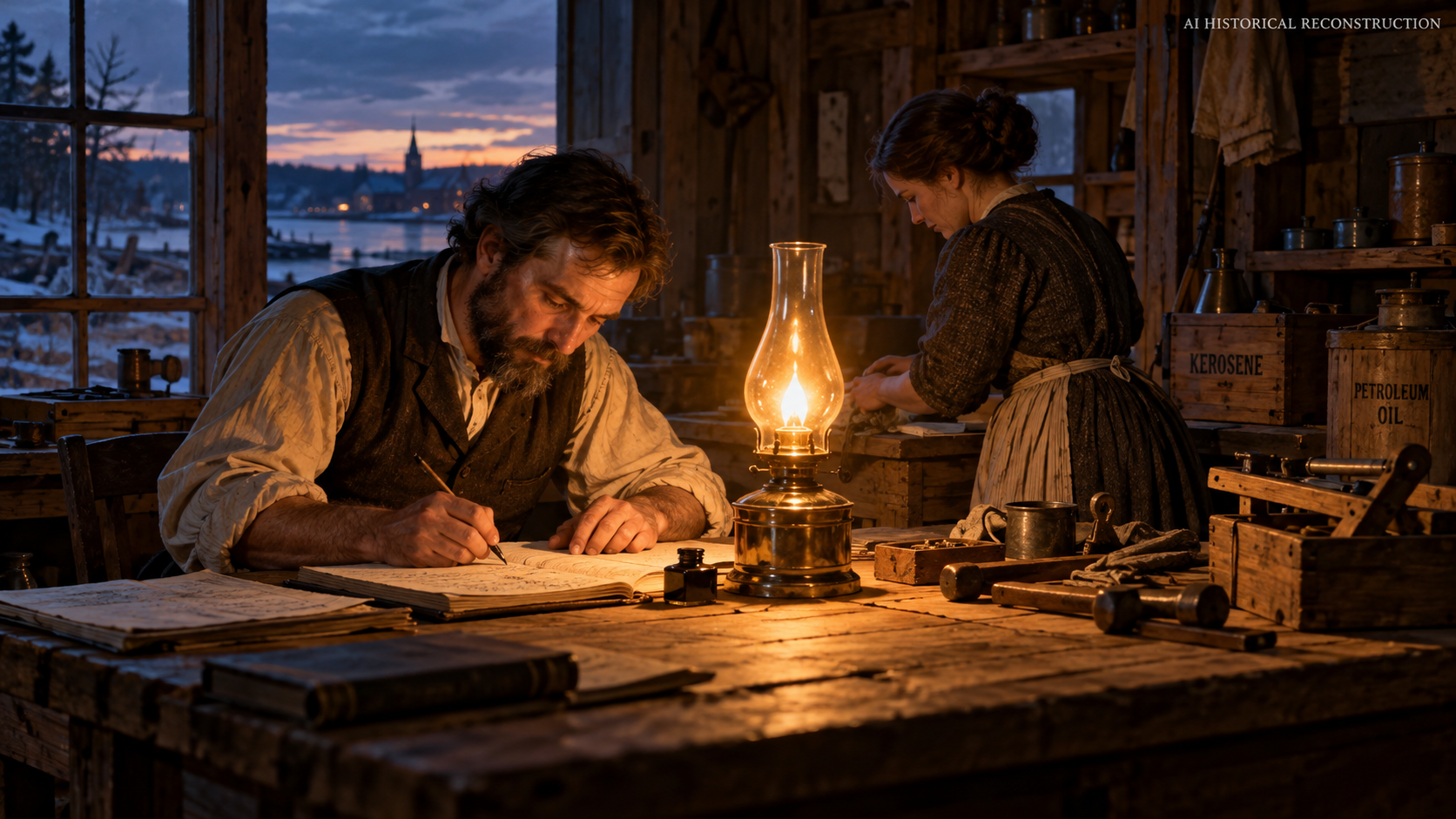
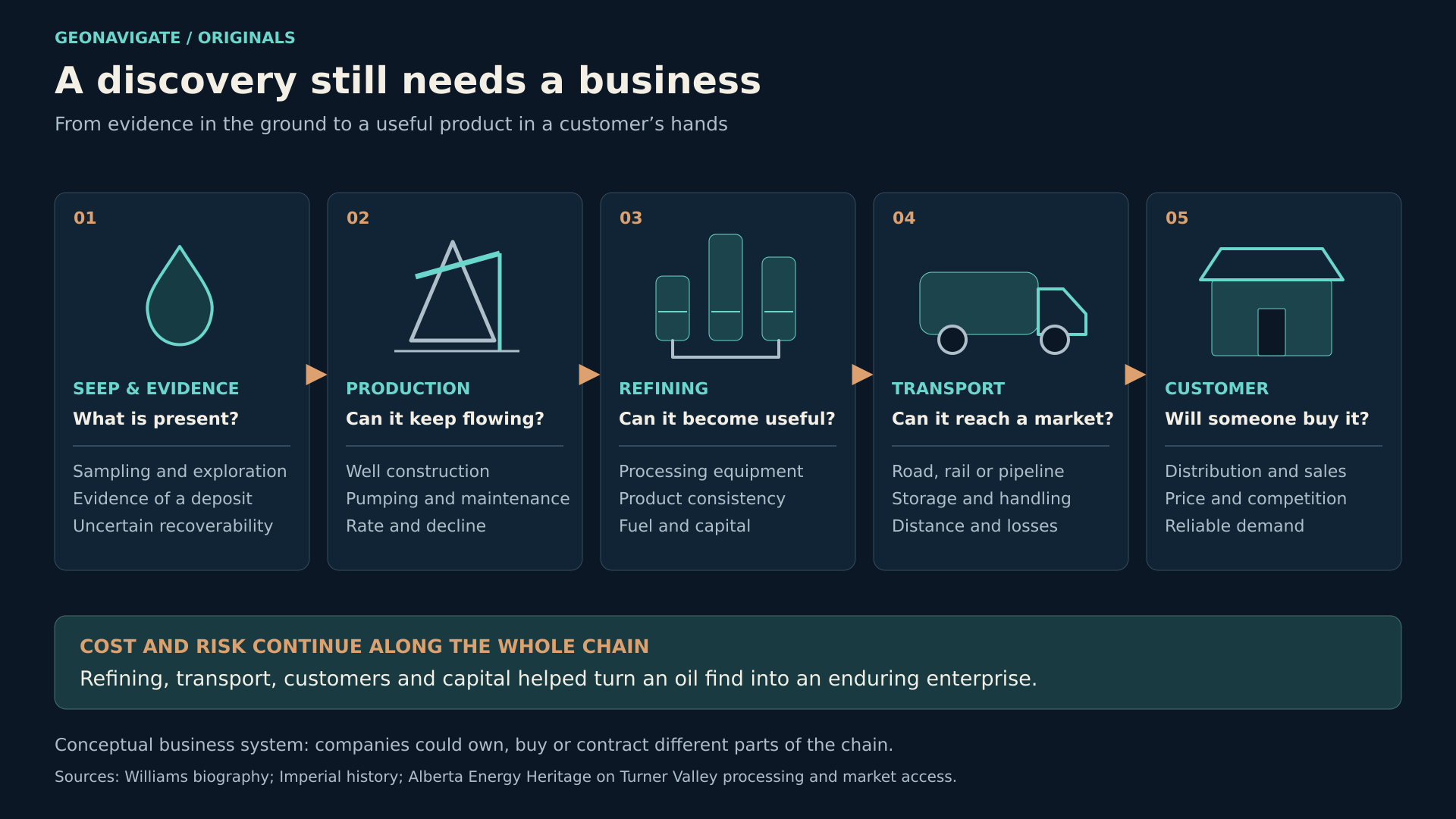
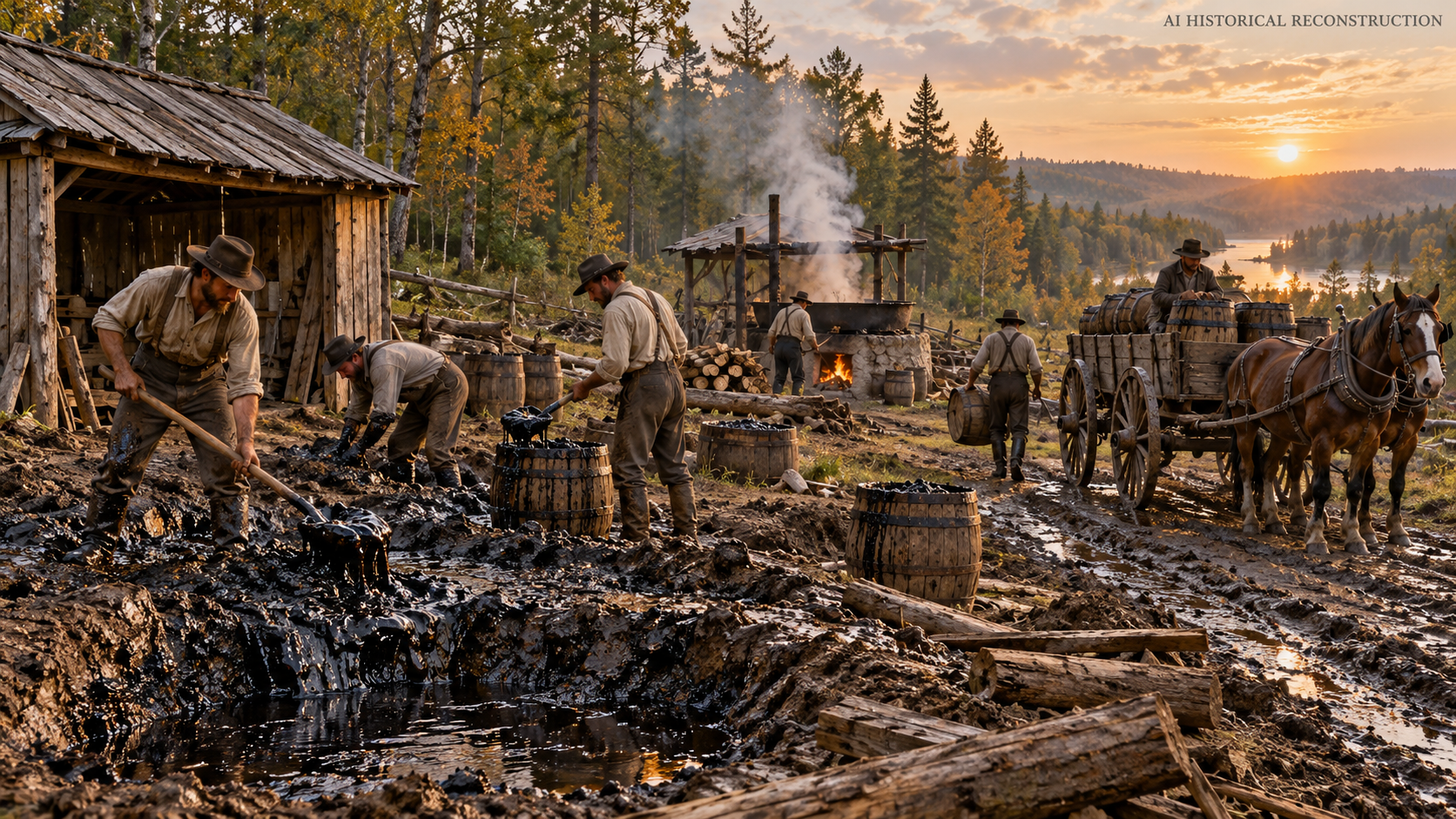
Canada's oil story begins a long way from the image most of us carry in our heads. Before the big Alberta discoveries, before the oil sands plants, before the familiar service-station signs, there were shallow workings in the wet ground of southwestern Ontario.
One major early business opportunity was light. A useful lamp fuel could extend the working day and illuminate a home. Asphalt could have a market, too. The challenge was to turn a troublesome substance in the ground into something people would buy.
This is GeoNavigate Industry Chatter. I'm Dorian, your AI narrator. Our story is Before Alberta: Canada's First Oilfields and the Companies That Endured.
We will meet two brothers with a promising company that struggled, a wagon maker who connected a well to a refinery, a man whose spectacular gusher failed to secure his future, and a family whose quieter approach kept producing across generations.
Then we will follow the larger businesses: Imperial Oil, the separate Canadian Oil company behind White Rose, Shell, and the companies that became Suncor.
The thread running through their histories is the difference between finding petroleum and building an enterprise around it. A discovery could start a rush. Keeping the business alive demanded a great deal more.
CHAPTER 02
The petroleum did not first become known when a company put its name on the land. The Oil Museum of Canada credits Anishinaabeg people with harvesting bitumen in the Oil Springs area before commercial development.
That earlier knowledge belongs at the beginning of the account. The later well, the legal company and the industrial market were new developments around a substance that was already known.
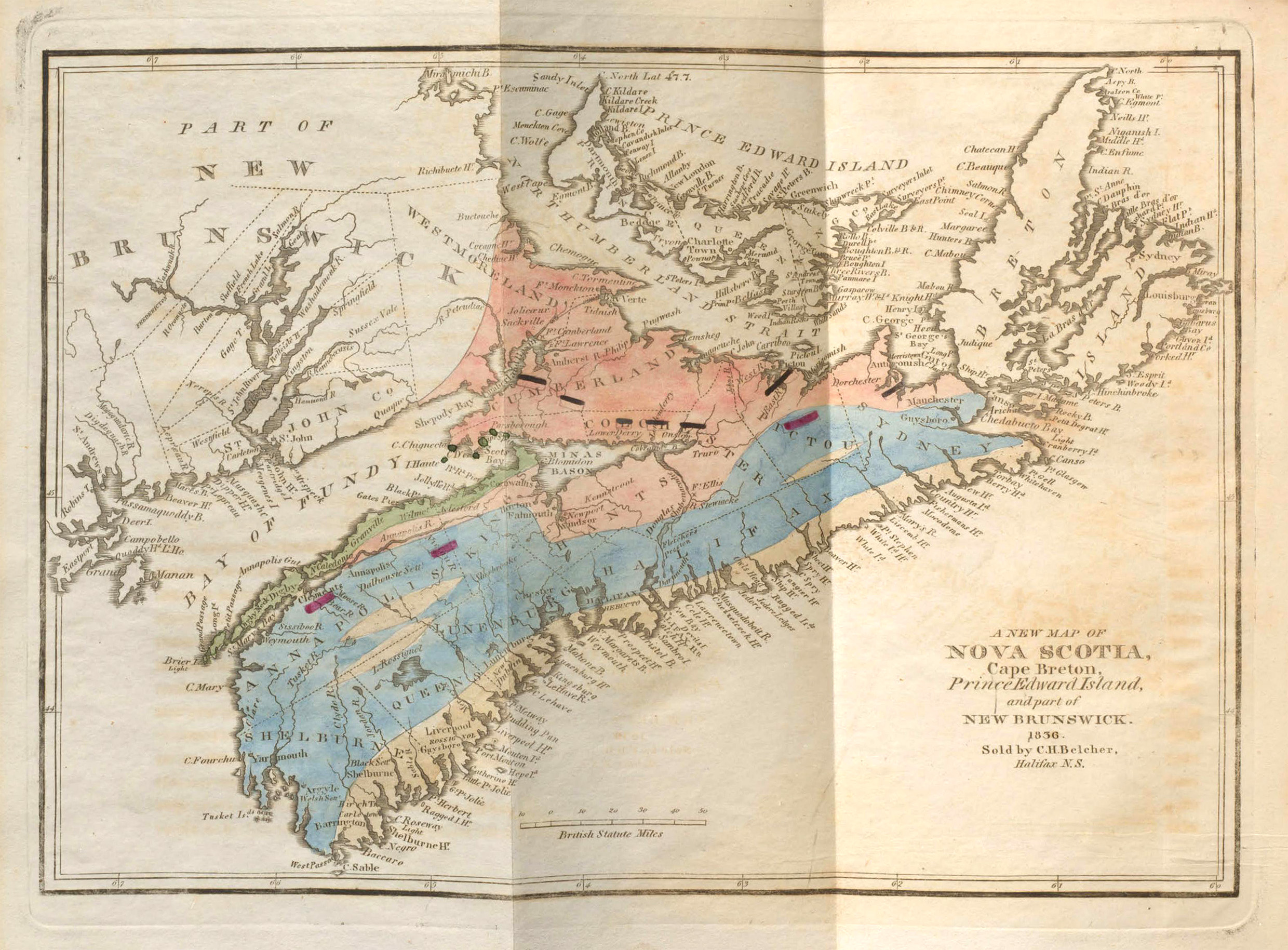
Another part of the story was unfolding farther east. Abraham Gesner, a physician and geologist from Nova Scotia, worked on making illuminating fuel from materials including coal, shale and bitumen. In eighteen forty-six, he demonstrated his lamp fuel in Charlottetown. The fuel would become known as kerosene.
Gesner's work was a refining story. It helped establish that hydrocarbons could become a useful, saleable product. It was a different achievement from discovering a field of liquid oil.
That distinction helps explain what the early entrepreneurs were looking for. They were not planning a network of gasoline stations for automobiles. They were trying to serve the markets of their own time.
When we look back from a highway filling station, the outcome can seem obvious. To someone studying a patch of sticky ground in the eighteen fifties, the winning combination of raw material, process, transport and customers was still being worked out.
CHAPTER 03
In eighteen fifty-four, Charles Nelson Tripp, his brother Henry, and their investors incorporated the International Mining and Manufacturing Company.
Its charter, approved on December eighteenth, is a useful starting point for the corporate history. This was an early Canadian petroleum enterprise, established several years before the famous Williams well.
The brothers were interested in the gum beds of Enniskillen Township, in what is now southwestern Ontario. They worked with surface bitumen and pursued products including asphalt. Their asphalt earned recognition at the Paris exhibition in eighteen fifty-five.
That sounds like the beginning of a success story: a Canadian resource, an incorporated business and an overseas exhibition.
Yet recognition did not create a good road to the property, put enough money in the accounts, or bring distant customers closer. Provincial and museum histories describe the practical difficulties of transport and finance. The venture struggled.
In the middle of the eighteen fifties, James Miller Williams acquired the Tripp interests. Accounts differ on the exact transfer year, but the larger change is clear. The brothers had demonstrated commercial possibilities without building an enduring operation of their own.
This is the first warning against reading the industry backward. Being early was an opportunity. It was also a burden. The first business had to help establish the market and the infrastructure that later businesses could use.
The Tripp company belongs among the pioneers. Its importance survives more clearly in the history than its original enterprise survived in business.
CHAPTER 04
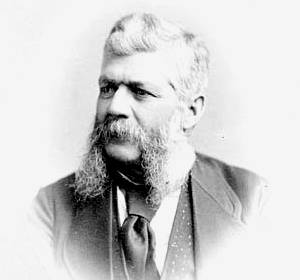
Williams came from a manufacturing background, building carriages and railway cars. He brought a practical businessman's interest to the gum beds.
In eighteen fifty-eight, his hand-dug well at Oil Springs yielded petroleum. The location was then in Canada West, before Confederation created the Dominion of Canada. Today it is in Ontario.
That excavation is recognized as Canada's first commercial oil well. The word hand-dug matters. A shallow excavation and a drilled hole through rock are different things, and different kinds of first are often mixed together in retellings.
Even Williams's immediate intention has competing versions. One account says he was looking for water. Another describes deliberate investigation of the petroleum deposit. The museum preserves both. We can be confident about the commercial result without pretending that every detail of the discovery is settled.
Williams's achievement extended beyond the well. The Dictionary of Canadian Biography places his refining activity at Oil Springs by eighteen fifty-seven and a Hamilton refinery by eighteen sixty. His enterprise became associated with the Canadian Oil Company name.
Here was a workable connection between resource, processing and customers. Crude oil had to become a usable product, and the product had to leave the field.
Williams became a successful businessman. He sold the oil business to his son in eighteen seventy-nine. A University of Calgary Press history records the company's sale to Imperial Oil in eighteen ninety-one.
There is an early answer to who succeeded: Williams built a business valuable enough to pass on and eventually sell into a larger enterprise. His legacy was more than the location of a hole.
CHAPTER 05
Oil Springs attracted people hoping for their own discovery. On January sixteenth, eighteen sixty-two, John Shaw brought in the field's celebrated gusher.
Oil rose above the ground under its own pressure. The museum's account describes a struggle to contain the flow and oil escaping into Black Creek.
For a crowd watching a well, that would have been an extraordinary display. For a business, the uncontrolled oil also represented lost product, wasted effort and damage to the surroundings.
The name needs care. John Shaw was the discoverer. He was a different person from Hugh Nixon Shaw, whose refining work became entangled with the gusher story in later histories. Lambton County archival research returned to contemporary newspapers to resolve that confusion.
The well's performance did not last. By early eighteen sixty-three, the initial flowing boom was fading. The museum reports that Shaw continued trying to make a living and that his eighteen seventy-one obituary described him dying in poverty.
His experience makes the boom more human. The man attached to one of Canada's most memorable early wells did not receive a lifetime guarantee of wealth.
Oil rushing from a well was only one part of an account that also contained land costs, equipment, storage, transport, debts and a declining source of production. A spectacular day could become a difficult year.
CHAPTER 06
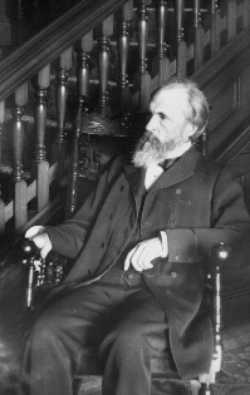
John Henry Fairbank began his Oil Springs operation in eighteen sixty-one. His family's business became an example of endurance on a very different scale from the later national corporations.
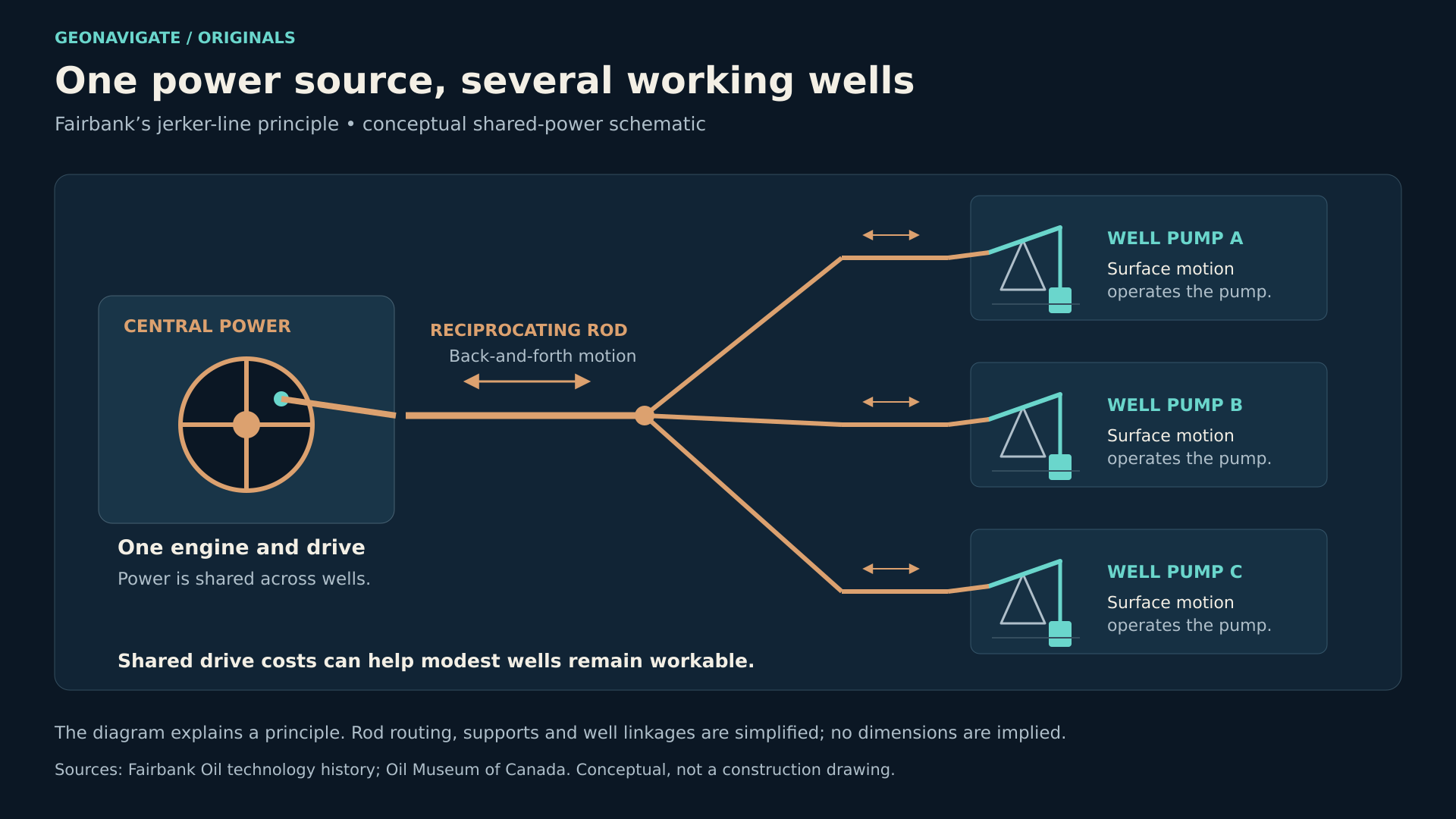
One of the most revealing parts of that history is the jerker-line pumping system, dated by Fairbank's company to eighteen sixty-three.
Picture a central source of power sending a reciprocating motion through long lines to pumps at several wells. Instead of assigning a separate engine to every small producer, the operator could share power across a group of wells.
The principle is easy to understand: a modest well has a better chance of paying if its operating costs are modest, too. That is an explanation of the economics, rather than a claim that one invention accounts for every year of the company's survival.
Fairbank also worked on the route to market. He helped organize the railway connection from Petrolia to Wyoming in eighteen sixty-six. The rail link was another part of making oil worth producing.
He later established a Petrolia refinery under the Home Oil Company name. That Ontario business was separate from the later western company with a similar name.
The Oil Museum describes the Fairbank operation continuing across four generations. Its achievement is measured in longevity and workable production, rather than national size.
As the initial excitement moved on, machinery could keep moving on a quieter property. Fairbank's place in the story reminds us that a successful oil business does not have to be the loudest one in the field.
CHAPTER 07
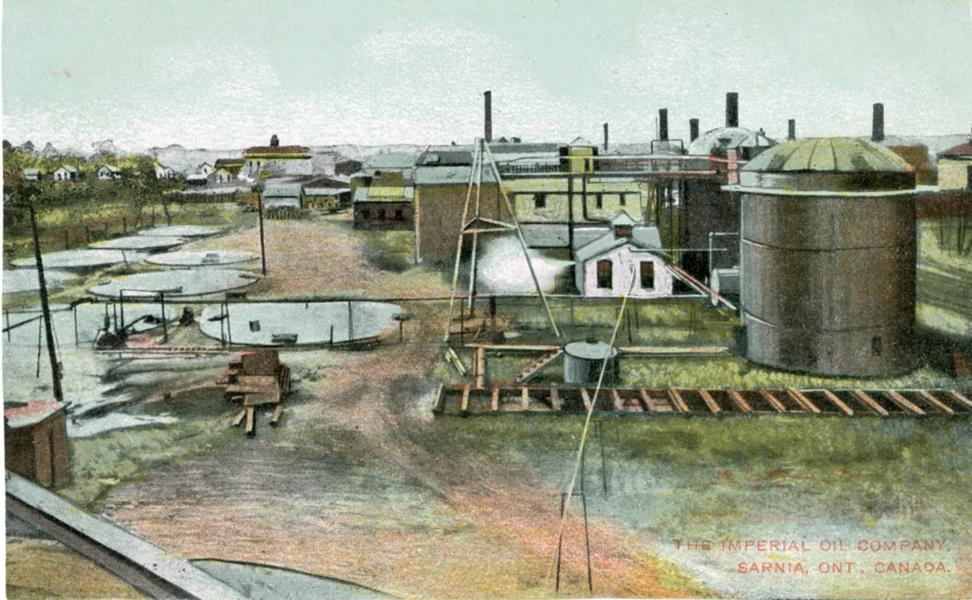
By the middle of the eighteen sixties, Petrolia was becoming another important centre of the Ontario oil industry. Producers and refiners were building a much more complicated business than the first gum-bed ventures.
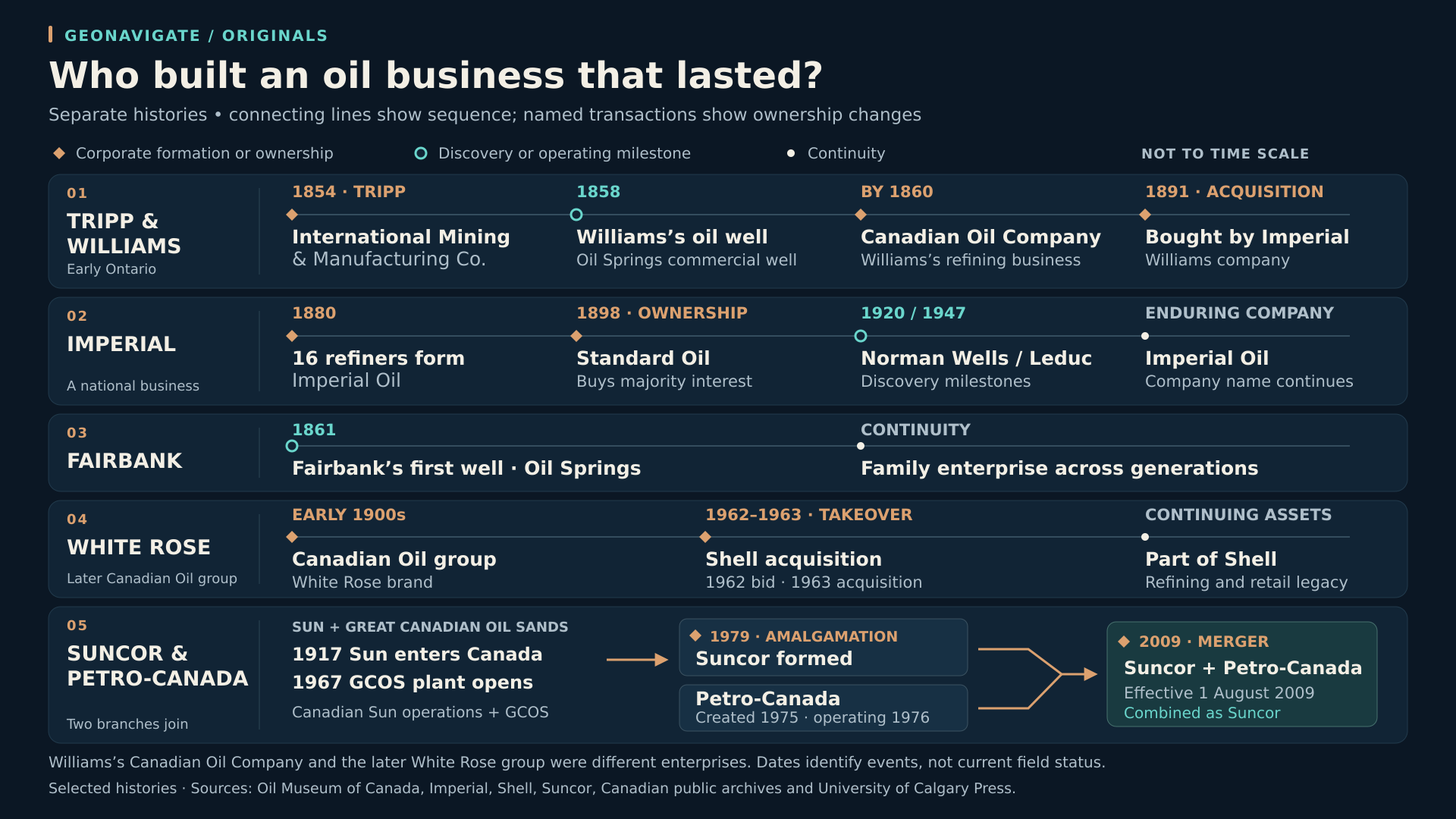
In eighteen eighty, sixteen southwestern Ontario refiners formed the Imperial Oil Company in London, Ontario.
Those words are specific: sixteen refiners. Imperial was a consolidation of refining interests, not the company that had dug the first Canadian commercial well.
Its early strength lay in processing and distribution. By eighteen ninety-three, its own corporate history records twenty-three branch offices reaching from Halifax to Victoria.
That kind of network could bring products to customers far beyond the original oil district. It also required money.
In eighteen ninety-eight, seeking expansion capital, Imperial sold a majority interest to the Standard Oil group in the United States. The business gained access to a larger organization while control changed.
Imperial is therefore a Canadian industry success story with an international ownership story woven through it. Those facts belong together.
Its major producing interests developed later. A federal competition inquiry dates its move backward into exploration and production to nineteen fourteen. The Imperial that eventually found oil at Norman Wells and Leduc had grown through decades of refining, selling and organizing capital.
Our interpretation of that history is straightforward. Finding another field helped Imperial expand, but the company already possessed an organization capable of doing something with the discovery. The commercial structure was part of the achievement.
CHAPTER 08
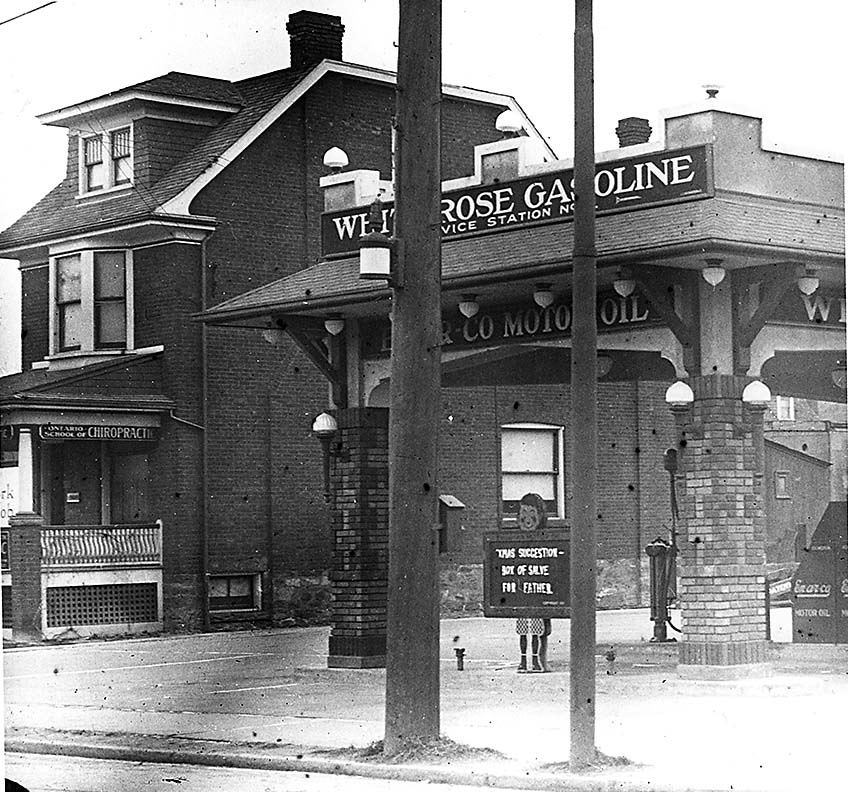
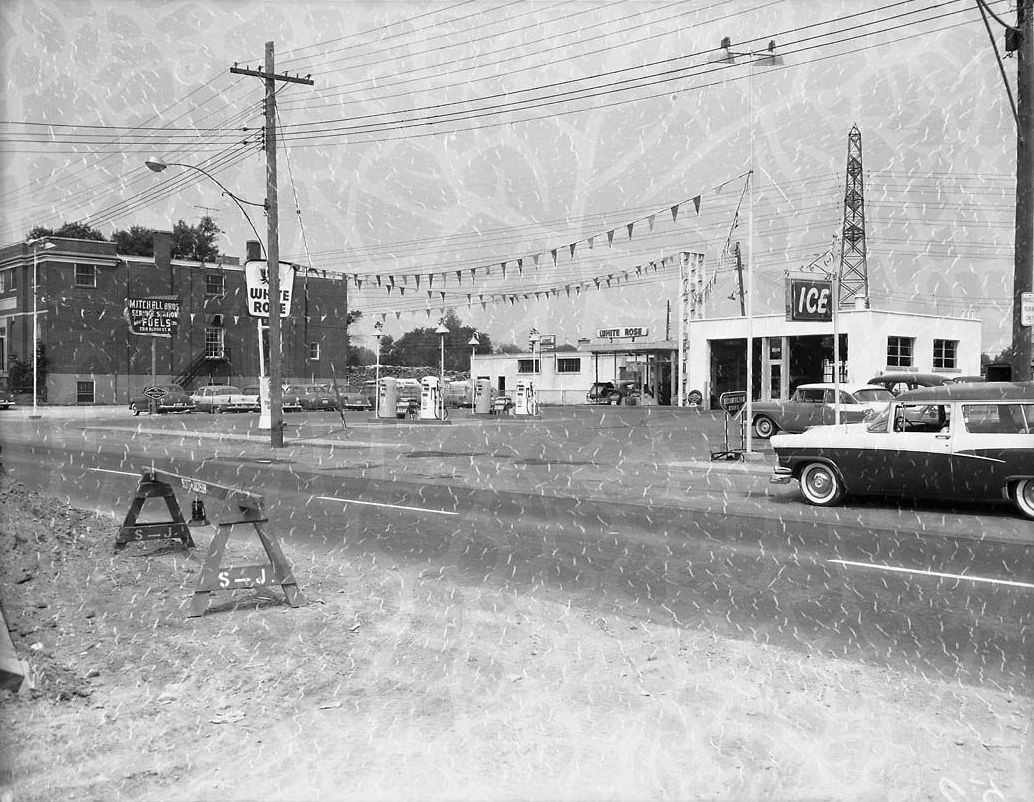
There is a trap in the company names. Williams's Canadian Oil Company and the later Canadian Oil group associated with White Rose were separate enterprises.
The later story includes a Canadian Oil Refining Company established in Petrolia in nineteen oh one, followed by combinations and reorganizations during the early nineteen hundreds.
White Rose became the familiar name at the customer end of that business. Its history takes us from the nineteenth-century refinery district toward the twentieth-century service station.
Shell's takeover unfolded in nineteen sixty-two and nineteen sixty-three. Power Corporation's history records the takeover bid in nineteen sixty-two. Shell dates its purchase of Canadian Oil's Sarnia refinery to nineteen sixty-three.
That refinery had been built by Canadian Oil in nineteen fifty-two. The physical plant helps us see what a corporate transaction can mean: useful facilities, commercial relationships and operating activity can continue after the sign changes.
The sale should not automatically be narrated as failure. It was a change of ownership, and the assets became part of a larger business.
Shell itself had a separate Canadian history, beginning operations here in nineteen eleven. It was not simply Williams's old company with another name.
For anyone collecting oil-company signs, the disappearing brand is visible. For anyone tracing the industry, the refinery, the customers and the company acquiring them are just as important.
CHAPTER 09
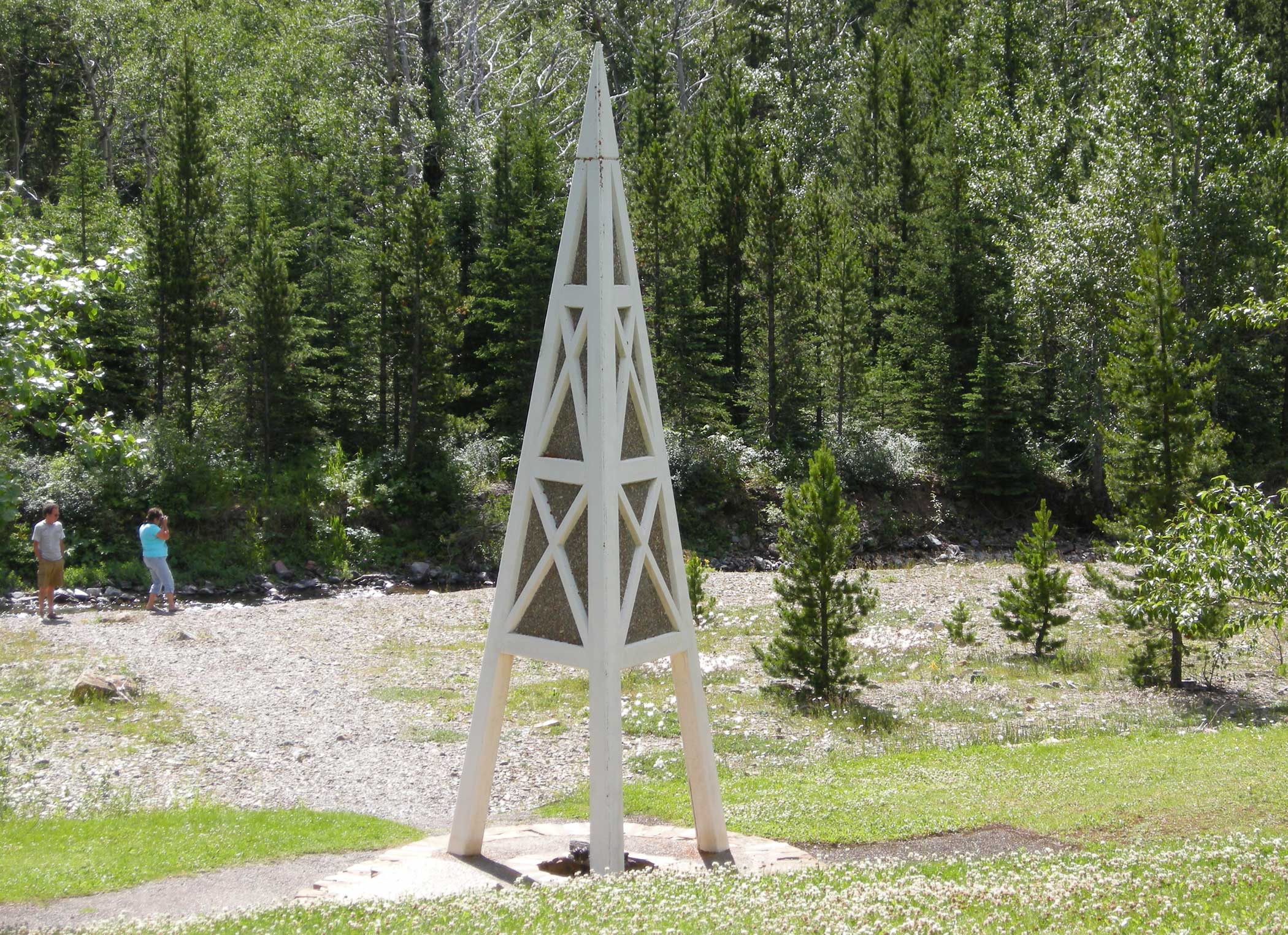
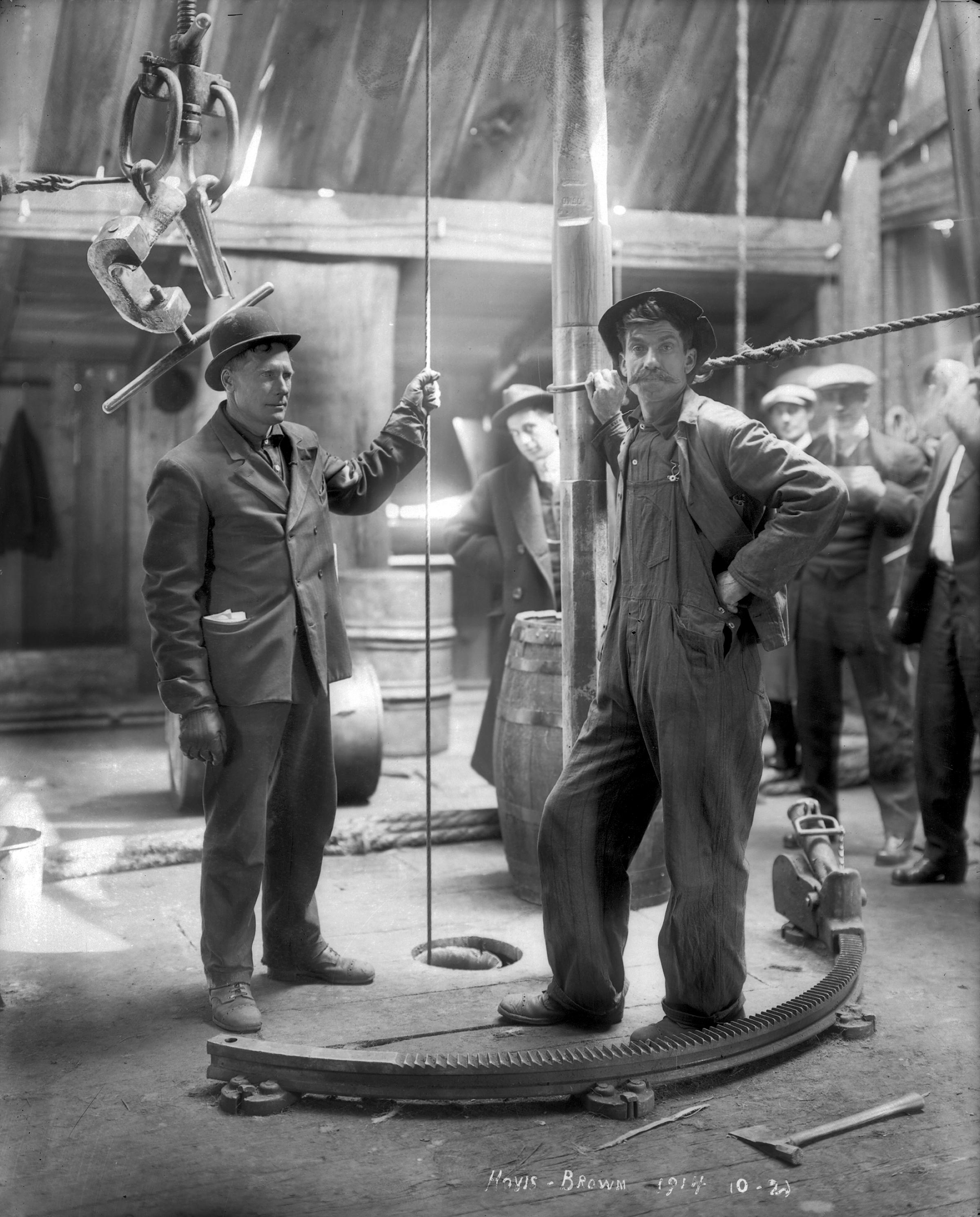
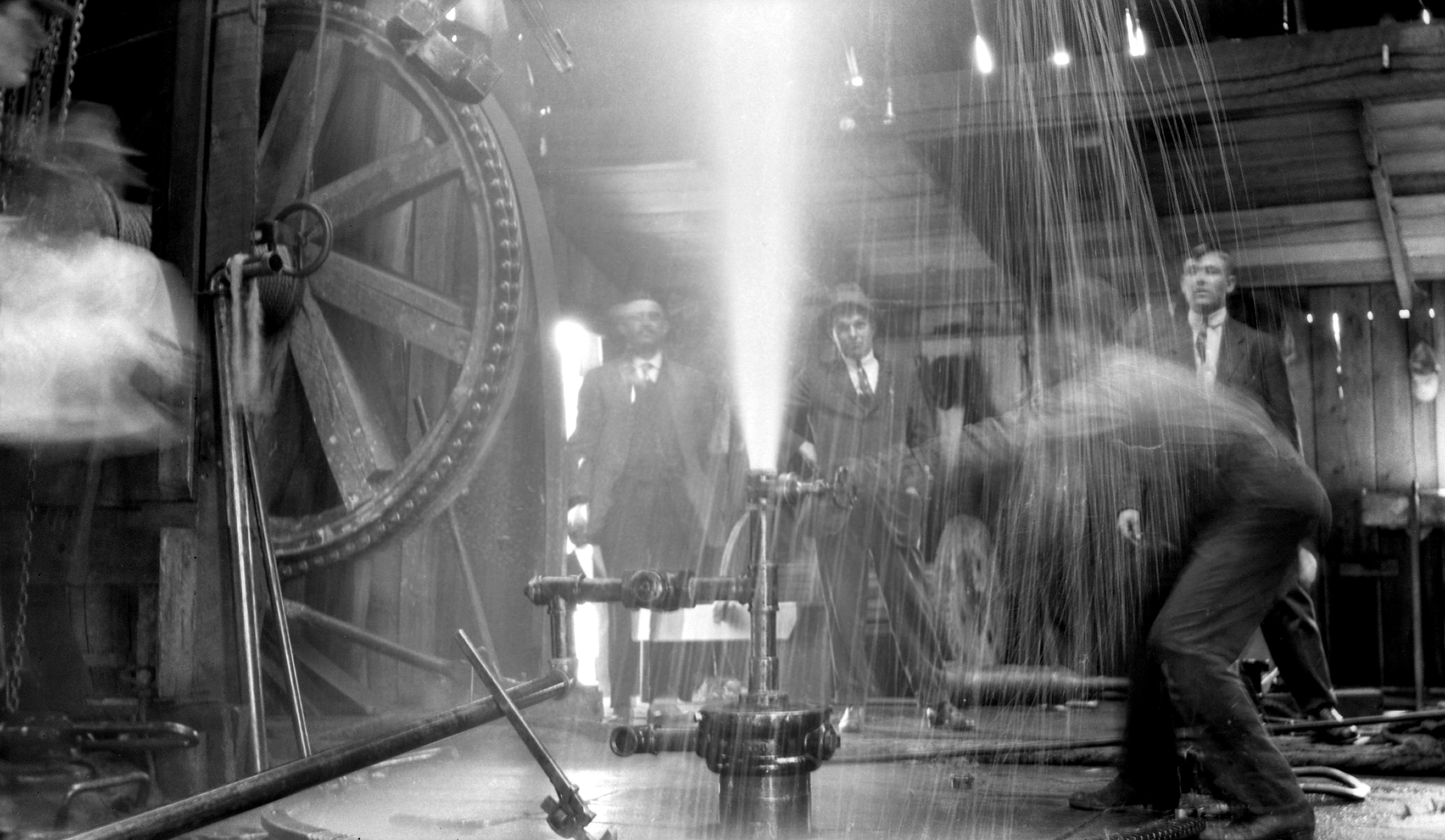
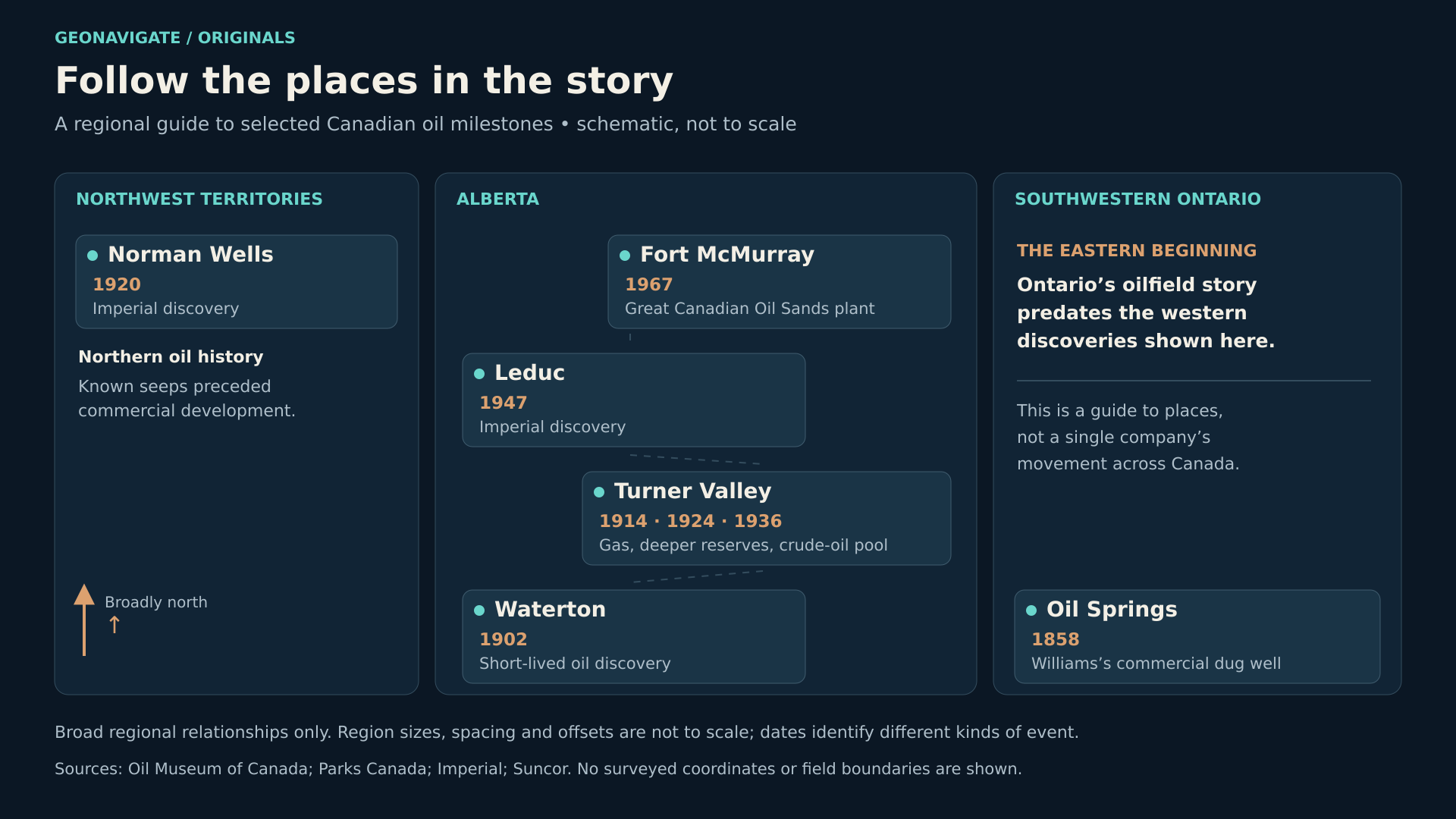
The western story developed through several different places and several different kinds of result.
Near Waterton, the Rocky Mountain Development Company began drilling in nineteen oh one and encountered oil in nineteen oh two. The well encouraged speculation, but its production was short-lived. By nineteen oh four, the hoped-for lasting success had largely faded.
Turner Valley was a more consequential development. Calgary Petroleum Products brought together William Stewart Herron's prospect and an investment group involving Archibald Dingman. Drilling began in nineteen thirteen.
On May fourteenth, nineteen fourteen, Dingman Number One produced wet gas with valuable liquid hydrocarbons.
Wet gas is gas carrying hydrocarbons that can be recovered as liquids. The discovery immediately raised questions about separation, processing and a market for the products.
A destructive plant fire followed in nineteen twenty. Imperial took over the interests in nineteen twenty-one and created Royalite to run the operation.
Then came further stages. Royalite Number Four opened deeper reserves in nineteen twenty-four. In nineteen thirty-six, Turner Valley Royalties Number One, drilled by a separate company, demonstrated the important crude-oil pool.
These were distinct milestones. Compressing them into one discovery loses the process by which the field grew.
Turner Valley also strengthens the business theme. Alberta's heritage account describes the importance of processing facilities, connections to pipelines and access to Imperial's refining. The resource and the means of selling it developed together.
CHAPTER 10
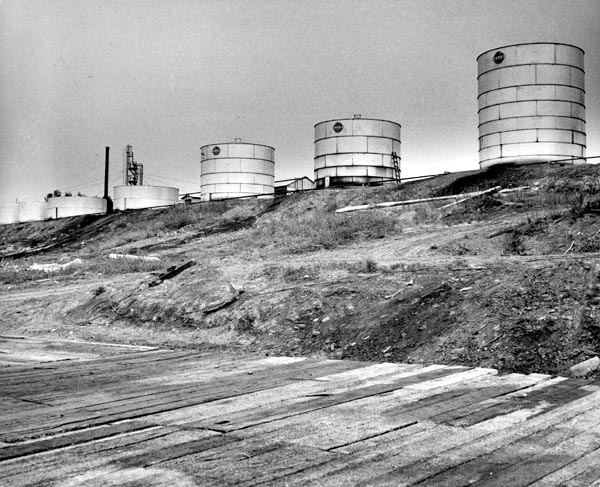
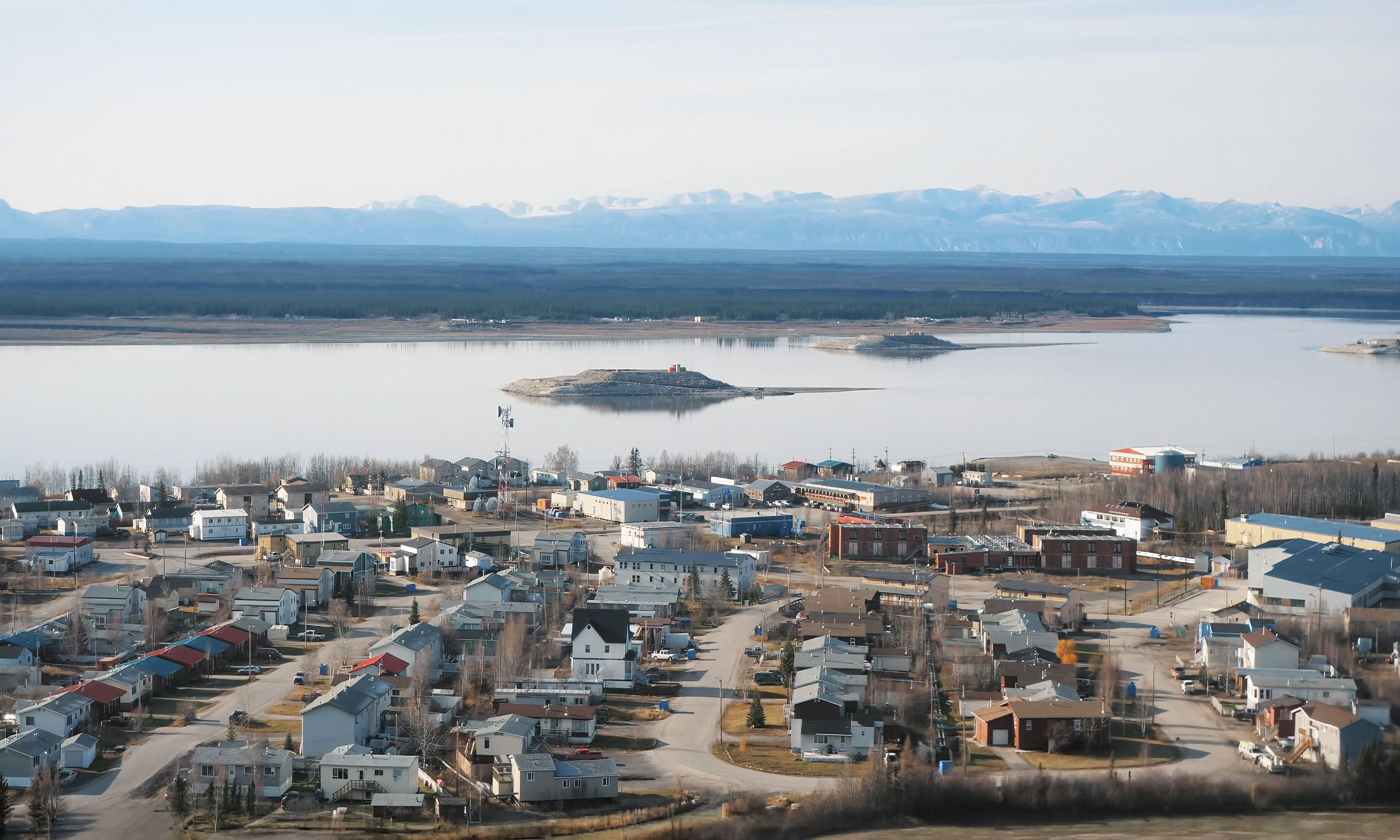
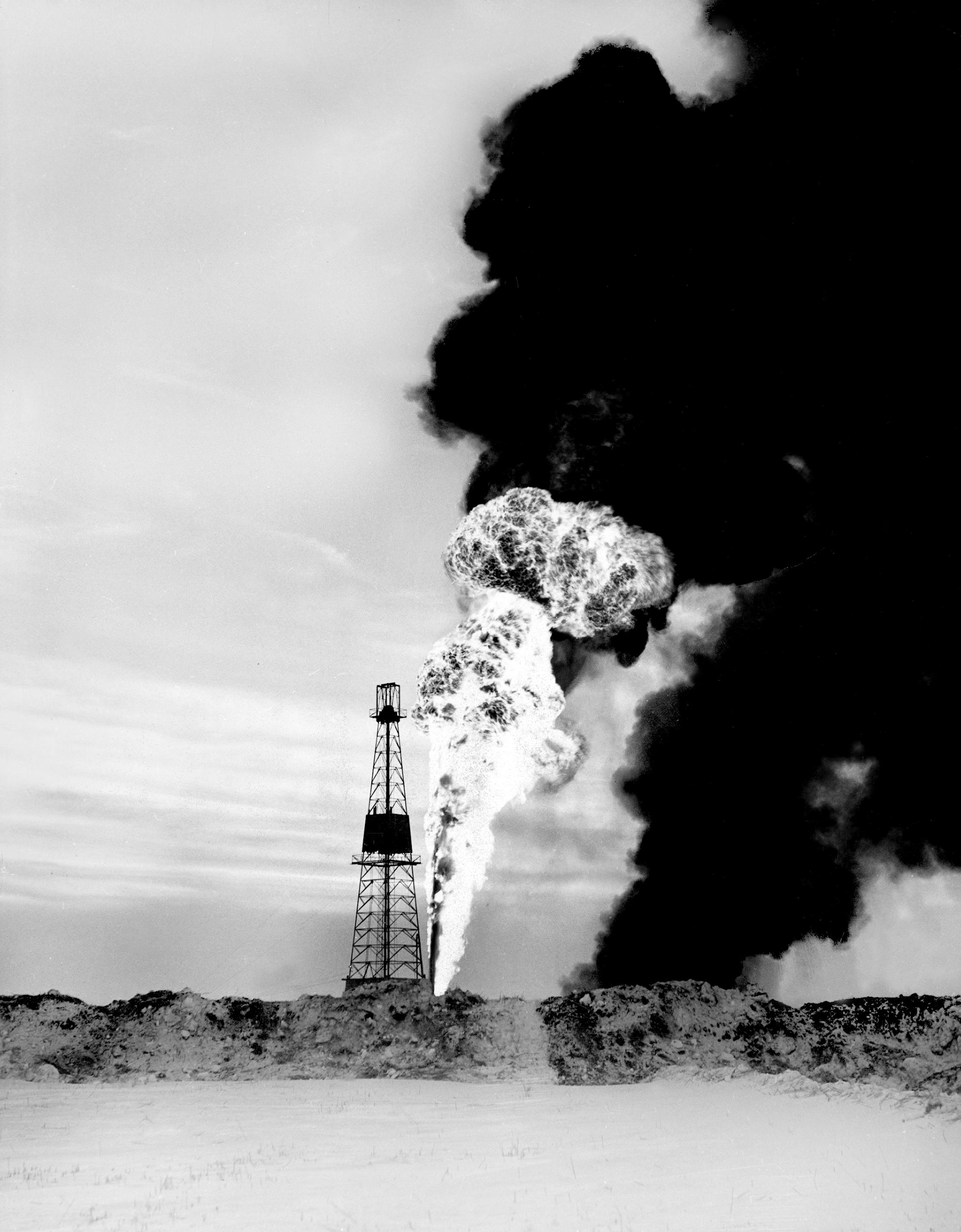
Imperial's northern discovery came in nineteen twenty, at the place that became Norman Wells on the Mackenzie River.
The company's account acknowledges that Sahtú people knew the area's natural seepage long before the commercial well. Again, industrial development followed earlier knowledge of petroleum.
Norman Wells built a production history lasting more than a century. In September twenty twenty-six, Imperial announced that production had been shut in. That gives the field a beginning, a long operating history and an end-of-production chapter.
Farther south, Leduc Number One came into production on February thirteenth, nineteen forty-seven.
The discovery helped transform the scale of Alberta's industry. It encouraged a much wider search and the investment needed to develop and move the oil that followed.
Leduc belongs among the decisive Canadian oil discoveries. By then, however, the country already had nearly ninety years of commercial oil-well history, and Imperial itself already had producing interests.
That longer view makes Leduc more interesting. A company formed by Ontario refiners in eighteen eighty had developed into an organization able to explore, finance and participate in a much larger western expansion.
There was no straight, inevitable line from a muddy Ontario property to an Alberta discovery. There were different people, different geological settings, ownership changes, unsuccessful efforts and decades of accumulated capability.
The scale changed dramatically. The old commercial questions remained recognizable: how much can the reservoir deliver, what will development cost, and how will the product reach a customer?
CHAPTER 11
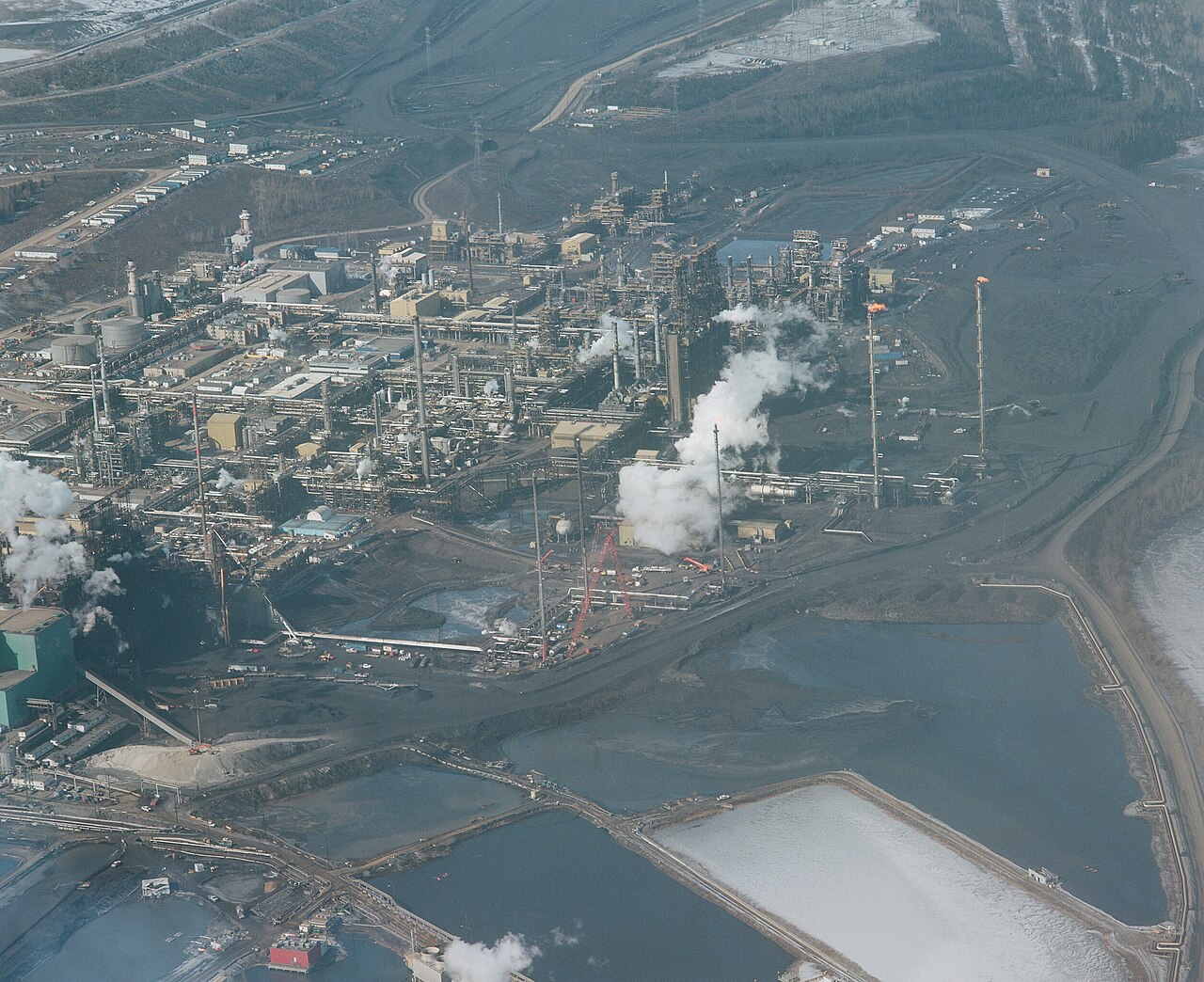
Suncor's history follows another branch. It does not begin as a renamed Tripp or Williams company.
Sun entered Canada in nineteen seventeen, supplying lubricating oils, kerosene and other products to war plants around Montreal. Once again, a business that would later be associated with enormous producing operations had an early Canadian history in supplying customers.
Its oil sands chapter demanded a different kind of industrial commitment. A known bitumen deposit had to be connected to extraction, processing equipment and a reliable operating system.
The Sun-backed Great Canadian Oil Sands plant began commercial operations in nineteen sixty-seven, near Fort McMurray.
The business challenge extended well beyond establishing that petroleum was present. The machinery and processing had to work at commercial scale, with substantial capital committed before the operation could prove itself over time.
In nineteen seventy-nine, Sun's Canadian operations and Great Canadian Oil Sands were amalgamated as Suncor.
There are three dates worth keeping separate: Sun's Canadian entry in nineteen seventeen, the oil sands plant in nineteen sixty-seven, and the creation of Suncor in nineteen seventy-nine.
Each describes a different stage of the enterprise. The eventual company name can make the earlier history look tidier than it was.
This is another form of endurance: a products business, a major industrial project and a later corporate combination contributing to the company that survived.
CHAPTER 12
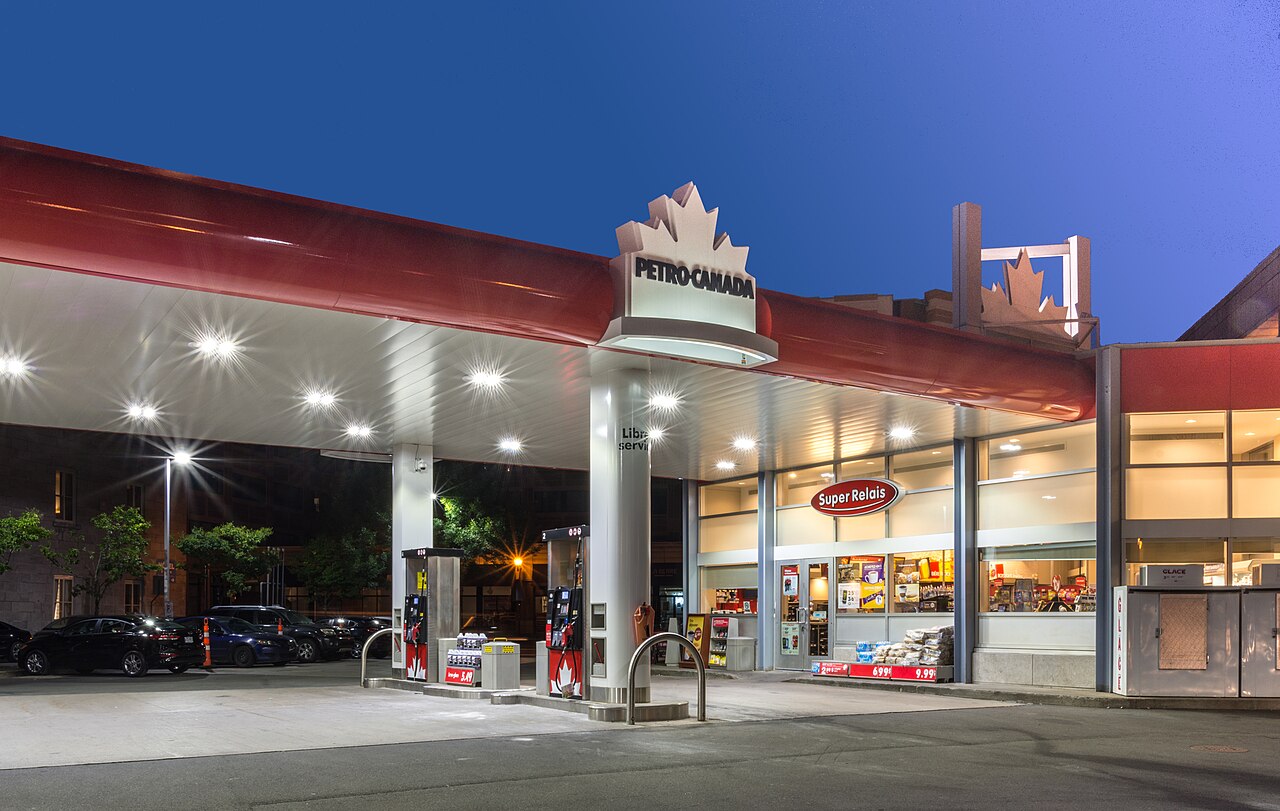
Petro-Canada arrived through a different route again: federal policy during the energy concerns of the nineteen seventies.
The Petro-Canada Act established the Crown corporation in nineteen seventy-five. It began operations on January first, nineteen seventy-six.
Its origin reminds us that Canada's oil industry was built by more than one kind of organization. Independent entrepreneurs, family operators, international groups and a federally created company all became part of it.
Decades later, the Suncor and Petro-Canada histories joined. Their merger became effective on August first, two thousand nine.
The combined business brought together production, refining and the Petro-Canada retail network. The Petro-Canada name continued where customers could recognize it.
That is different from saying Petro-Canada remained the same independent company. A brand can continue within a larger enterprise.
It is also different from saying the earlier company simply vanished without a legacy. People, facilities, customers and operating knowledge can outlast a corporate boundary.
When we ask which oil companies became successful, the answer therefore needs room for several outcomes. Some preserved their names and organizations. Some continued as family businesses. Others helped build the businesses that acquired or merged with them.
CHAPTER 13
Return to southwestern Ontario and the early sequence becomes easier to see.
The Tripp brothers helped establish the commercial possibilities of the gum beds, but their enterprise struggled. Williams connected oil production with refining and sales and built a business that could be transferred and acquired. Shaw's great gusher brought fame without lasting financial security.
Fairbank developed an operation that endured across generations. Imperial combined refiners, distribution and capital, then grew into a major producing company. The separate White Rose business became part of Shell. Sun's Canadian business and Great Canadian Oil Sands formed Suncor, which later merged with Petro-Canada.
Those are different histories, rather than a single family tree.
The pattern we can draw from them is that useful technology, access to money, manageable costs and a route to customers helped turn petroleum into a lasting enterprise. None guaranteed success. Reservoirs declined, markets changed, operations failed and ownership moved.
Business endurance also tells only part of the history. Indigenous knowledge and communities, the work of crews, and the effects of extraction on land and water belong in the larger account. A surviving company name does not settle every question about its legacy.
Canada's oil industry began with people finding ways to make known hydrocarbons useful, then learning how to produce them commercially. The first oilfield chapter was written around Oil Springs and Petrolia. Alberta would later change its scale.
The well made the discovery visible. The continuing work around it built the industry.
For GeoNavigate Industry Chatter, I'm Dorian.
THE VISUAL STORY
Reconstructions and conceptual diagrams are identified in their captions.
THE MOVING IMAGE RECORD
Contemporary films, later documentaries and archive records are dated separately. These links open the original sources; reuse status is noted for each.
1944
U.S. Army Signal Corps film documenting the wartime Canol pipeline project in northern Canada. The moving images belong to the 1940s project, not the 1920 Norman Wells discovery.
Commons identifies the original U.S. government/Army film as public domain. Original film and exact credits remain linked.
1946
National Film Board documentary following Turner Valley petroleum from exploration through finished products. A contemporary industrial film rather than a modern reconstruction.
NFB viewing page; download-to-own terms limit reuse. No republication permission obtained.
1949
Imperial Oil film about the 1947 Leduc discovery, subsequent field development, the town of Devon and a pipeline to market. The Glenbow catalogue says digital content is available.
Archive record confirms film and digital content; public streaming and reuse permission have not been verified.
1967
Bechtel promotional film covering the Great Canadian Oil Sands project, Fort McMurray, construction, workers, bucket-wheel excavators and the opening. The producer’s promotional perspective should remain visible.
Periscope stock-footage archive; reuse permission not established.
1991 documentary about 1947
Later documentary featuring Vern Hunter’s recollections and archival imagery, with background on Petrolia and Turner Valley. The film’s production year is 1991;1947 is the historical subject.
NFB catalogue lists DVD availability inquiry; online playback and republication permission not verified.
1948
NFB stock record describes aerial and ground footage of the Atlantic No.3 fire. This is a different well and event from the 1947 LeducNo.1 discovery. Suitable for a separate blowout episode with context.
NFB archive stock item; licence not obtained.
1946
Imperial-sponsored colour film tracing the movement of oil through several countries and by tanker, useful for the refining-and-transport theme. Not every scene is Canadian.
Glenbow catalogue record; digitized playback and reuse permission not established.
FOLLOW THE EVIDENCE
Museum interpretation credits Anishinaabeg use of bitumen and preserves competing accounts of Williams's immediate purpose. Search-indexed exhibit text; dynamic page.
A01Scholarly biography: illuminating-fuel research, the 1846 demonstration and raw materials. Kerosene refining is distinct from a liquid-oil-field discovery.
A02Original statute incorporating the International Mining and Manufacturing Company, 18 December 1854.
A03Tripp's gum-bed enterprise, asphalt recognition, financial and transport difficulties. Exact transfer year differs among sources; narration uses mid-1850s.
A04Manufacturing background, refining by 1857, Hamilton refinery by 1860, business success and 1879 transfer to his son.
A05The museum preserves the site of the hand-dug 1858 commercial well. Narration uses the defensible Canadian-first description.
A06Archival scholarly history records the Williams company's sale to Imperial in 1891. Distinguishes it from the later White Rose company.
A07Archival correction based on contemporary newspapers: John Shaw, not Hugh Nixon Shaw, brought in the 1862 gusher. Some older plaques retain the error.
A0816 January 1862, uncontrolled losses, subsequent decline and the 1871 obituary describing poverty. No uncertain flow-rate estimate is repeated. Legacy museum URL affected by the October 2026 migration; historical text verified through search indexing.
A09Operator account of the 1863 jerker-line system and shared power. The episode explains the principle without a universal invention claim.
A101861 origin and family continuity over four generations. No undated production totals or global oldest-company claim.
A11Transport work, 1866 Petrolia–Wyoming railway connection and 1873 Home Oil refinery, separate from the later western Home Oil. Legacy museum URL affected by the October 2026 migration; historical text verified through search indexing.
A12Sixteen refiners formed Imperial in 1880; 23 branch offices by 1893; majority Standard Oil interest in 1898. Later discoveries do not make Imperial the first Canadian producer.
A13Corporate development, Imperial's move into upstream interests in 1914 and the 1963 Shell transaction.
A14The Canadian Oil Refining Company established in Petrolia in 1901 belongs to the separate later Canadian Oil/White Rose history.
A15Canadian Oil built the Sarnia refinery in 1952; Shell purchased it in 1963. Facility continuity is distinguished from corporate-name continuity.
A16Seller/shareholder account records Shell's 1962 takeover bid; the episode distinguishes that stage from the 1963 acquisition.
A17Rocky Mountain Development Company's 1901 drilling, 1902 oil encounter and short-lived Waterton production. No disputed sustained flow rate.
A18Herron, Dingman, Calgary Petroleum Products, drilling from 1913 and wet gas on 14 May 1914.
A19Imperial acquisition and Royalite creation in 1921 after the 1920 fire; processing, pipelines and the separate Turner Valley Royalties discovery.
A20Distinct 1914 wet-gas, 1924 Royalite No. 4 and 1936 crude-oil milestones.
A21Operator announcement of 1 September 2026: August 1920 discovery, earlier Sahtú knowledge and production shut-in after 106 years. Closure status is attributed; reclamation is not described as complete.
A2213 February 1947 and significance to Alberta's industrial expansion. Narration avoids turning the scoped dry-hole story into a claim of no prior Imperial discoveries.
A23Sun's 1917 Canadian entry supplying petroleum products to Montreal-area war plants; an earlier business lineage, not the date of Suncor incorporation.
A24Great Canadian Oil Sands plant in 1967 and 1979 amalgamation of Sun's Canadian operations and GCOS into Suncor.
A251975 statutory creation and the continuing Petro-Canada business. The consumer timeline's 2010 merger panel is not used for the effective date.
A26Contemporary government account separates 1975 establishment from the start of operations on 1 January 1976.
A27Canadian operations since 1911. A separate international-company history from the Ontario pioneer companies.
A28Petrolia's early production/refining and growth in the mid-1860s; exact King-well claims are omitted because accounts differ.
A29Explicit effective merger date: 1 August 2009. Historical size rankings are not repeated as current facts.
A30Provincial heritage account explicitly dates the beginning of GCOS plant operations to 1967, distinct from later Suncor corporate formation.
A31